X Echo Chamber: Why Online Political Memes Failed to Read the Midterms
The X echo chamber made viral political memes look like broad support. 404 Media’s midterm report shows why online attention can misread voters.
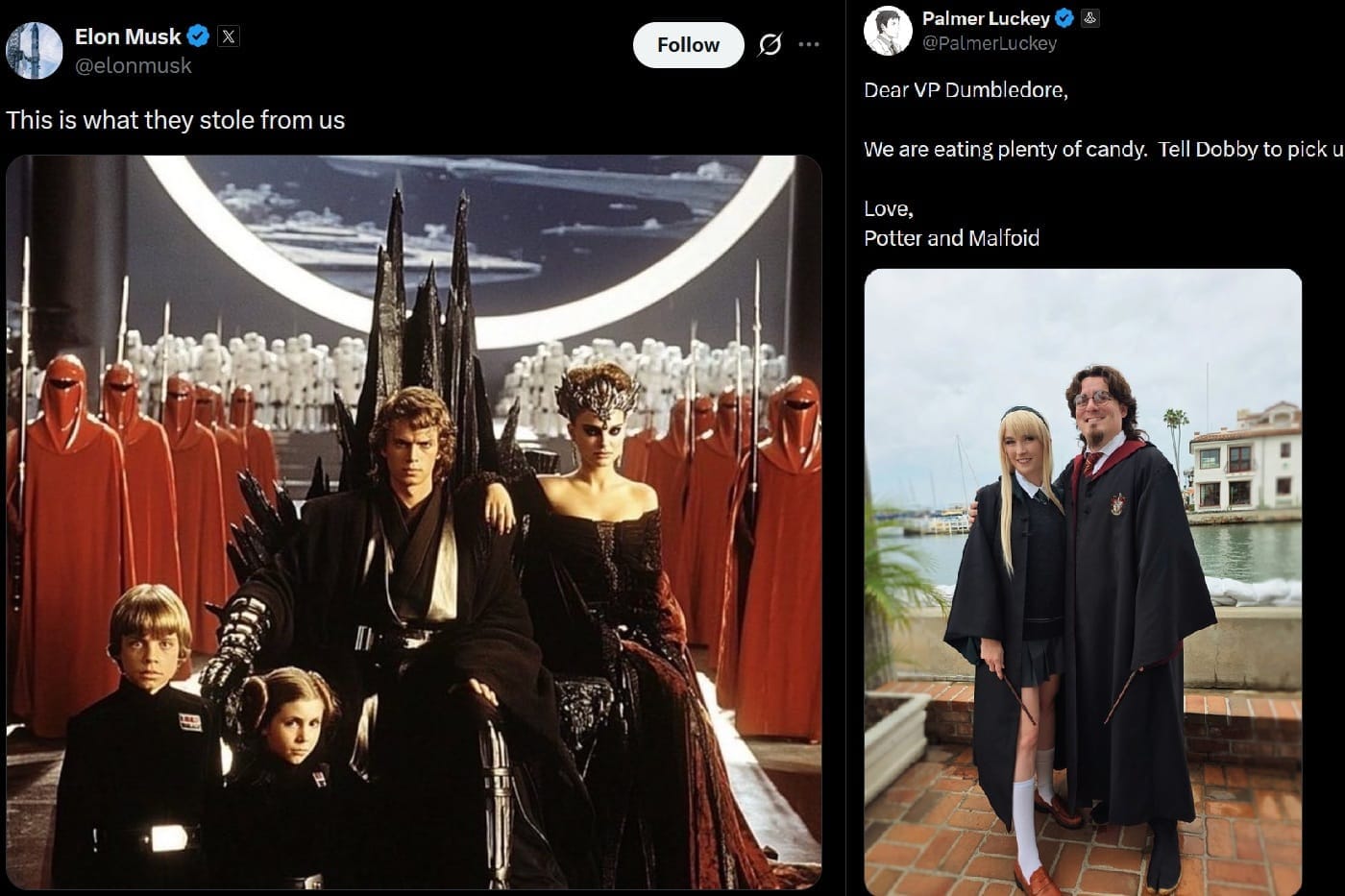
The X echo chamber helps explain why online political memes failed to predict the midterm result: the posts that drew attention inside a partisan network did not show how voters outside it felt. The account in 404 Media examines how Republican influencers and political figures treated viral culture-war memes as evidence of broader support, even as the election delivered a different signal.
Key takeaways
- The X echo chamber helps explain why Republican meme popularity did not translate into the midterm result its promoters expected.
- 404 Media describes a political-media ecosystem that mistook attention on X for evidence of wider cultural and electoral support.
- The article argues that economic concerns and the limits of memes as persuasion matter more than whether a post travels inside an online community.
What changed
404 Media’s report describes a sharp gap between the confidence of prominent online conservatives before the midterms and their reaction as results came in. The source says Democrats swept the midterms and won key Texas state positions, while several right-wing personalities struggled to reconcile the outcome with the mood they had encountered on X.
In the days before voting, political accounts and commentators circulated AI-generated images and jokes built around characters such as Anakin Skywalker and “Malfoid,” a gender-flipped version of Draco Malfoy. BlazeTV’s video framing the “Young Right” as reclaiming culture appeared the day before the election, according to the report; Elon Musk also posted an AI-generated Star Wars image shortly before voting.
After results began arriving, the source recounts right-wing podcasters and livestreamers questioning the outcome, expressing frustration, or ending their coverage. It also describes Steve Bannon’s War Room discussion of exit polling that suggested Republicans had lost young men, a group the guest characterized as an important constituency for the right.
The episode matters as a test of a political strategy built around online visibility. For years, memes and culture-war messaging helped shape online conversation and, the report says, drew attention from mainstream media; the election result raised the question of whether that influence had been mistaken for persuasion.
Why it matters
The X echo chamber is not simply a complaint about one platform’s politics. The article’s broader point is that a highly active online community can make its own interests look like the public’s interests when people inside it use engagement and repeated exposure as a measure of wider support.
That distinction matters for anyone trying to understand the relationship between internet culture and elections. A meme can mark belonging, provide a shared joke, or reinforce a group’s identity without convincing someone outside that group to vote differently; the report quotes Virginia Tech researcher Michael Senters making that distinction.
The article also connects the election reaction to material concerns. Alyssa Mercante, an internet culture reporter, argues in the source that financial pressures and the state of everyday life cannot be displaced by online culture-war content. In that framing, political messaging that concentrates on memes may fail to address the concerns that voters consider more pressing.
There is an important qualification: the report does not say online propaganda has stopped working or that memes have no political effect. Senters and Mercante both caution that internet rhetoric can still be destructive, even if this particular election exposed limits to its persuasive reach.
Who is affected
For people who follow social platforms, gaming culture, and political communication, the report offers a reason to read viral posts carefully. A meme’s visibility can reveal what a particular online community is sharing, but the source argues that it cannot, by itself, establish how people beyond that community think or vote.
Political campaigns and commentators are also directly implicated. The article describes candidates and figures who leaned into gamer identity or familiar entertainment franchises, including Texas railroad commissioner candidate Bo French and Nevada congressional candidate Martin O’Donnell. It reports that French lost by more than a million votes and that O’Donnell lost to incumbent Susie Lee.
Technology companies and platform audiences matter in a different way. The source describes X as a place where political influencers, executives, bots, and users can create a powerful sense of momentum; it also criticizes the way that platform-centered conversation can be treated as a proxy for public opinion. The report supplies no India-specific findings, so its conclusions should not be presented as evidence about Indian voters or platforms.
For readers in India who follow AI and internet culture, the relevant connection is the use of generated imagery in political messaging, not a claim that the same political pattern exists locally. The source discusses AI-made memes in the US midterm context and offers no reporting on Indian campaigns.
What to watch next
The report leaves a practical question open: will official government accounts and right-wing political figures continue posting far-right cultural memes after the defeat, or will they change their approach? Senters explicitly raises that possibility, but the source does not establish what those accounts will do next.
Readers should also watch how political commentators interpret platform signals. If they continue treating likes, reposts, or meme circulation as proof of broad public support, the same gap between online confidence and electoral reality could persist; that is an implication of the analysis, not a prediction that the source reports as fact.
Finally, the distinction between attention and persuasion deserves continued scrutiny. The article argues that memes can define community boundaries without changing minds, while also warning that online propaganda remains capable of causing harm. Those two points can both be true: a message may have limited appeal beyond its base and still shape what that base believes or shares.
Frequently asked questions
What does the report mean by an X echo chamber?
The report uses the idea to describe an online political environment in which users may mistake the views and activity they see on X for wider public opinion. It argues that the midterm result exposed a gap between that online environment and voters’ choices.
Why did Republican memes fail to predict the midterm result?
404 Media argues that meme circulation can show what a group finds engaging without proving that the content persuades voters outside that group. The source also points to economic concerns as an issue that political memes could not displace.
Does the report say political memes no longer matter?
No. The source describes limits to memes as persuasive tools, but Senters and Mercante caution that online propaganda and political rhetoric can still be destructive. It does not claim that memes have no influence.
Related on TechnoRapper
- Great Unconformity: How Earth’s Missing Rock Record Took Shape
- AI and Max/MSP: What Happens When a Tool Helps Make the Tool?
- Epic Linux launcher: SteamOS users may soon get Epic’s Linux launcher
Source: 404 Media
How we used the source: facts, quotes, and numbers below come only from that link. We added structure, search intent, and reader context. We did not independently verify the reporting.
Permanent link · https://technorapper.com/2026/11/x-echo-chamber/