Great Unconformity: How Earth’s Missing Rock Record Took Shape
Great Unconformity research links Earth’s missing billion-year rock record to mantle uplift, supercontinent breakup and erosion, while the cause remains
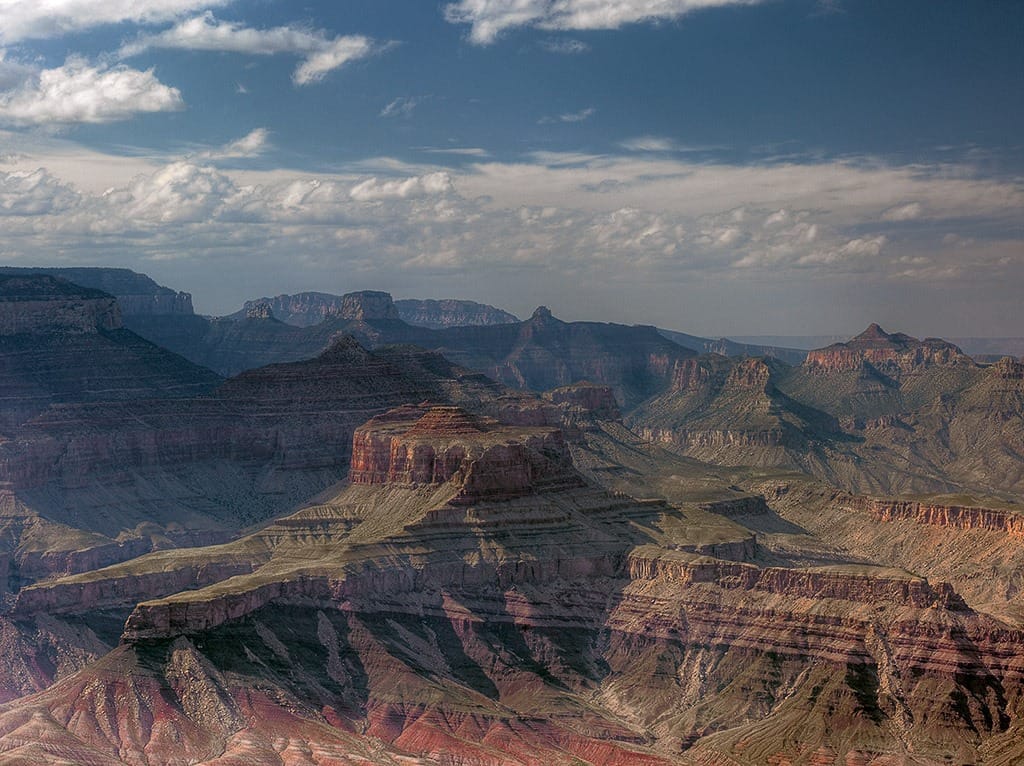
The Great Unconformity may have formed as mantle-driven uplift exposed ancient land to erosion during the breakup of supercontinents, according to research summarized by 404 Media. The explanation offers a way to connect a vast gap in Earth’s rock record with the deep geological forces that reshaped global landscapes before the Cambrian period.
- Great Unconformity: New models point to mantle-driven uplift and erosion during ancient supercontinent breakup as an explanation for Earth’s largest geological gap.
- The gap places Cambrian sandstone, dating to about 538 million years ago, directly above much older basement rocks.
- The proposed mechanism may also help explain why the Great Unconformity is best preserved in North America, though its causes remain debated.
What changed
Researchers have proposed a deep-Earth explanation for the Great Unconformity, a major break in the geological record where more than a billion years of strata are missing. Their models connect the gap to mantle activity and the formation and breakup of ancient supercontinents before the Cambrian period.
As 404 Media’s roundup describes the study by Santosh Dhungana and Nicolas Flament, movements in Earth’s mantle pushed massive landmasses upward. Once exposed, those landscapes faced erosion from weather, glaciers and, later, oceans. Over time, that process could have removed enormous amounts of rock and sediment.
The scale of the gap is visible in the rocks that remain. Cambrian sandstone, dating to about 538 million years ago, is often found directly on top of ancient basement rocks estimated to be between 1.2 billion and 1.8 billion years old. The intervening layers are absent, and the pattern appears around the world.
That global distribution has encouraged explanations involving planet-wide processes. Earlier proposals cited in the report include extensive glacial erosion during Snowball Earth, rifting and plume activity, falling sea levels, and mantle-driven changes in the shape of Earth’s surface. The researchers’ contribution is to test possible mechanisms using models and compare them with global patterns.
Why it matters
Earth is not a passive archive. Tectonic movement and erosion continually alter its surface, so scientists must reconstruct the planet’s past from a record that can be incomplete or erased. The Great Unconformity is an unusually large example of that problem: the missing rocks conceal a long stretch of geological history.
The proposed explanation matters because it links what geologists see at the surface to processes deep within the planet. If mantle-driven uplift helped create the gap, then the missing record is not merely a local erosion story. It may reflect changes to landscapes and sediment flows on a global scale.
The research also offers a possible explanation for a geographic pattern: the gap is best preserved in North America, according to the study as reported by 404 Media. Matching models against that distribution gives researchers a way to assess whether a proposed geological mechanism fits evidence across the planet, rather than explaining only one location.
There is also a connection to the history of life, but it should be treated carefully. The report says there is consensus that the same mechanisms involved in the Great Unconformity also set the stage for complex life to emerge during the Cambrian; it does not say that the missing rocks alone caused that emergence.
Who is affected
This is primarily a research development for geologists and Earth scientists studying tectonics, erosion and the Cambrian period. It gives them a model-based account to test against geological observations, while leaving room for other mechanisms or combinations of causes.
For readers interested in how Earth’s history is reconstructed, the study shows why a gap in the rocks can be evidence in its own right. The arrangement of younger sandstone above much older basement rock helps identify where a large interval is missing, even though the absent layers cannot be examined directly.
The findings also matter to anyone following the broader story of complex life. The reported link is that geological processes associated with this enormous gap helped prepare conditions for Cambrian life—not that researchers have settled every detail of how that transition happened.
What to watch next
The key question is whether further comparisons between global models and geological datasets strengthen the mantle-driven explanation. The researchers note that earlier proposed mechanisms had not been dynamically tested in this way, so subsequent work can help determine how well their model accounts for the gap’s worldwide distribution.
Readers should also watch how scientists weigh multiple possible causes. The report lists glacial erosion, rifting, plume activity, sea-level fall and mantle-driven topography among the proposals. The new explanation does not end that debate, and the source does not establish that one process acted alone.
Another point to follow is the North American pattern. The models are reported to explain why the Great Unconformity is best preserved there. Whether future evidence supports that account will help clarify how large-scale geological processes produced different records across regions.
TechnoRapper’s editorial desk used 404 Media’s supplied report as the source for this article and has not independently verified the study. The explanation remains a scientific proposal, while the causes of the Great Unconformity continue to be debated.
Frequently asked questions
What is the Great Unconformity?
The Great Unconformity is a large gap in Earth’s geological record, where more than a billion years of strata are missing. Cambrian sandstone is often found directly above much older basement rocks.
How might the Great Unconformity have formed?
The models described in the report suggest mantle movements lifted ancient landmasses during supercontinent breakup. Erosion by weather, glaciers and oceans may then have removed the exposed rock over time.
Has the cause of the Great Unconformity been settled?
No. The study proposes a mantle-driven explanation, but other possibilities include glacial erosion, rifting, plume activity and sea-level change. The source says scientists continue to debate the causes.
Related on TechnoRapper
- AI and Max/MSP: What Happens When a Tool Helps Make the Tool?
- Epic Linux launcher: SteamOS users may soon get Epic’s Linux launcher
- AI Power Politics: What Voter Backlash Could Mean for Big Tech
Source: 404 Media
How we used the source: facts, quotes, and numbers below come only from that link. We added structure, search intent, and reader context. We did not independently verify the reporting.
Permanent link · https://technorapper.com/2026/11/great-unconformity/