FAA Expands SMART AI Advice Across U.S. Air Traffic Centers
SMART AI is expanding to all 22 FAA air traffic centers. See what the agency reports from Washington and why controller involvement remains in question.
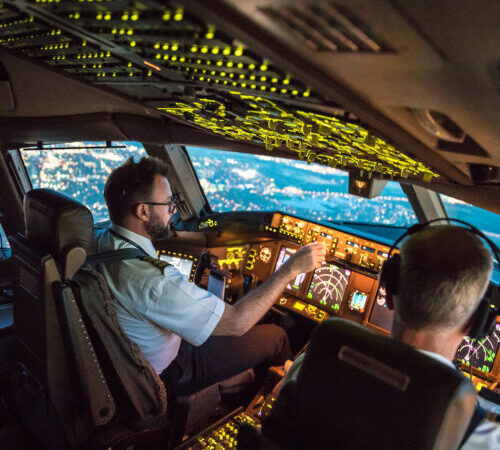
The FAA is expanding its SMART AI system to all 22 air traffic centers, aiming to help controllers reroute flights and ease congestion across the U.S. airspace.
The FAA is taking SMART AI nationwide to help controllers manage air traffic congestion, extending the system from the Washington, DC, region to all 22 air traffic centers. The change matters because the agency says early use helped reroute flights while reducing travel time and fuel use, but the air traffic controllers’ union says it was not involved in designing or testing the tool.
SMART is an advisory system, not a replacement for air traffic controllers. The FAA’s stated aim is to give controllers another resource for managing traffic, while questions about how the system was evaluated and how its early results will translate nationwide remain open. TechnoRapper reviewed the supplied report as the basis for the facts below; the agency’s performance figures are attributed to the FAA.
- SMART AI will support air traffic controllers at all 22 U.S. centers, extending beyond its initial use near Washington, DC.
- The FAA says the system helped reroute 180 flights, saving an average of 10 minutes and nearly 80 gallons of fuel per flight.
- The controllers’ union says it was not involved in the AI system’s design or testing, leaving workforce participation an important issue to watch.
What changed: SMART AI reaches all 22 centers
The FAA has expanded SMART from its initial deployment in the National Capital Region to the airspace served by all 22 centers across the country. The agency announced the wider rollout on November 10, with the stated goals of reducing delays and fuel consumption and improving the experience for air travelers.
The system had been used in the Washington, DC, airspace since September 21. The FAA says it has assisted with rerouting 180 flights there, reporting an average saving of 10 minutes and almost 80 gallons of fuel per flight. Those are the agency’s figures for the initial deployment; the supplied material does not provide independent verification or results from the nationwide expansion.
The reported $875 million cost is for SMART, according to the source. The report does not clarify what that figure covers, so it should not be read as a stated per-center cost or as a breakdown of development and deployment expenses.
Why it matters: SMART AI could affect delays and fuel use
For passengers, the practical promise is fewer delays if controllers can use the advice to move flights through busy airspace more efficiently. For airlines, the FAA’s early fuel-saving estimate points to a potential operating benefit, although the available figures describe the Washington-area rollout rather than performance across the whole country.
The distinction between advice and control is important: the FAA describes SMART as a tool for advising air traffic controllers. The source does not explain how recommendations are generated, how controllers weigh them against other information, or how the system performs in different traffic conditions. Those details will help readers understand what the AI contributes and what decisions remain with human staff.
Analysis: Expanding a system nationwide makes the quality of its evidence more consequential. Early results can justify further attention, but they do not by themselves show that similar savings will occur at every center; the FAA’s next public performance figures will matter to passengers, airlines and the workforce.
Who is affected by the FAA’s SMART AI rollout?
Air traffic controllers are directly affected because SMART enters the environment in which they manage aircraft and make operational decisions. The labor union representing controllers has said it was not involved in designing or testing the system, a gap that raises questions about whether frontline expertise shaped the rollout.
Airlines and their passengers are also in scope. Airline executives have expressed support for the expansion, while passengers may care most about whether it changes delays and the reliability of trip schedules. The source does not identify specific airlines, routes or passenger groups that will see a particular effect.
The FAA is responsible for the deployment and has presented the initial results as a reason to extend SMART. As the system reaches more centers, its reported outcomes and the way controllers use its recommendations will be central to judging whether the intended benefits appear in practice.
What to watch next in the SMART AI expansion
First, look for comparable results after deployment beyond the Washington, DC, region. The initial figures cover 180 rerouted flights and averages for time and fuel savings, but the source does not provide a timetable for nationwide results or explain how the agency will measure them.
Second, watch for clearer information about the controller union’s concerns and whether controllers have a role in later evaluation. The union’s reported lack of involvement in design and testing does not establish that the system is unsafe or ineffective; it does make workforce input an important part of understanding the rollout.
Finally, the public should look for detail on how SMART’s advice fits into day-to-day air traffic management. The source establishes that the tool is intended to advise controllers, but leaves open how recommendations are presented, what safeguards or review processes apply, and how the FAA will assess performance across all 22 centers.
Frequently asked questions
What is the FAA’s SMART AI system?
SMART is an AI tool the FAA uses to advise air traffic controllers on managing air traffic. The agency is expanding it from the Washington, DC, region to all 22 air traffic centers.
How much time and fuel has SMART reportedly saved?
The FAA says SMART helped reroute 180 flights in the National Capital Region, saving an average of 10 minutes and almost 80 gallons of fuel per flight. The supplied report does not provide independently verified figures or nationwide results.
Were air traffic controllers involved in developing SMART?
The labor union representing U.S. air traffic controllers said it was not involved in designing or testing the system. The report does not give further detail about the union’s concerns or any subsequent evaluation process.
Related on TechnoRapper
- Ring AI patrol cameras: Amazon’s Ring Rover and Drone Add AI-Guided Home
- Signal encryption proofs: AlphaProof Code Uses Lean to Check Signal’s
- Google’s Gemini Smartglasses Add Privacy to a $395 Eyewear Launch
- Canva AI controls: Canva Adds a Switch to Disable Most Generative AI Tools
- School AI Gun Alert Lawsuit Puts False-Alarm Response Under Scrutiny
Inspired by: Ars Technica AI
How we used the source: facts, quotes, and numbers in this article come only from that Inspired by link. We added structure, search intent, and reader context. We did not independently verify the reporting.
Permanent link · https://technorapper.com/2026/11/smart-ai/