Slurm quantum integration: NVIDIA’s Slurm Update Simplifies Quantum Processor
Slurm quantum integration gives QPU builders a shared path into supercomputing centers, with QRMI and QDMI support and six named adopters.
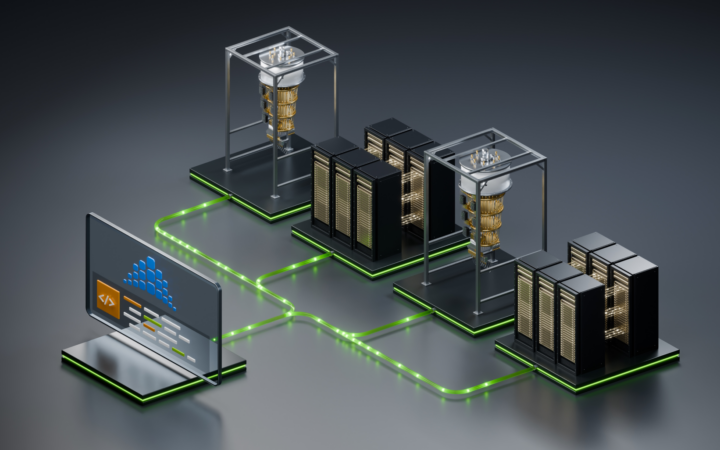
Slurm quantum integration — NVIDIA’s Slurm expansion gives quantum processor builders a shared way to connect their hardware to supercomputing centers, so researchers can access quantum systems through familiar
NVIDIA’s Slurm expansion gives quantum processor builders a shared way to connect their hardware to supercomputing centers, so researchers can access quantum systems through familiar high-performance computing workflows. The change targets a practical obstacle in quantum research: getting different processors to work within the software and resource-management systems that scientific centers already use.
In material published around SC26, NVIDIA says nearly 30 supercomputing centers worldwide are in the process of deploying more than 50 quantum processors. It also reports that processor deployments at such centers have grown nearly sevenfold over five years. Those figures describe a growing integration challenge, not evidence that quantum processors have replaced conventional supercomputers or are ready for every scientific task.
- Slurm quantum integration gives quantum processor builders a reusable connection method for supercomputing centers.
- The update builds on QRMI and QDMI and is intended to reduce the need for separate, custom integrations.
- Alice & Bob, IBM, IQM, Pasqal, Quantinuum and MQSC are adopting the expanded support, according to NVIDIA.
What changed: Slurm quantum integration offers a shared connection path
Slurm is used by many high-performance computing centers to schedule scientific workloads and manage computing resources. NVIDIA says the new release extends that environment to quantum processing units (QPUs), letting builders provide an interface to their hardware through a simple file rather than creating a different integration for each center.
The update builds on earlier work with IBM, Pasqal and the broader quantum computing community. It supports QRMI and QDMI, interfaces intended to help connect quantum systems with high-performance computing environments. NVIDIA says the aim is to let QPU builders reuse their integrations across deployments while allowing centers to add processors to existing scheduling and resource-management workflows.
The distinction is important: the announcement describes a change to software integration and access, not a new quantum processor or a claim that Slurm makes quantum computers faster. The source excerpt does not provide implementation details about the file format, a release number, performance results or a timetable for individual deployments.
Why it matters
Quantum hardware is not a single, uniform resource. When each processor and each supercomputing center needs a bespoke software connection, centers face repeated integration work, while QPU builders must adapt their systems for multiple environments. A shared path could reduce that duplication and make it easier to offer quantum hardware through infrastructure researchers already know.
That matters most for scientists whose work may benefit from access to both conventional high-performance computing and quantum processors. NVIDIA specifically identifies computational chemists, nuclear physicists and materials scientists as potential users. The announcement does not say that every problem in these fields can be solved better on quantum hardware; instead, it addresses one step needed to make such hardware available within research workflows.
Analysis: The practical test will be whether reusable integrations translate into dependable access across different centers and processor types. Standardized interfaces can ease setup, but they do not by themselves establish the scientific usefulness, capacity or availability of any particular QPU.
Who is affected
Supercomputing centers deploying quantum processors are the most direct beneficiaries if the shared approach works as described. Rather than building a new QPU-specific solution for every deployment, a center could add supported hardware to its existing scheduling and resource-management environment.
Quantum processor builders also stand to benefit because a reusable interface may reduce the repeated work of connecting to separate centers. NVIDIA names Alice & Bob, IBM, IQM, Pasqal, Quantinuum and MQSC as adopters of the expanded support. The excerpt does not specify what each organization has deployed, how broadly each integration is available, or whether all named companies support every interface.
For researchers, the change is about access and workflow rather than a guaranteed change in results. If centers make the integrations available, scientists could encounter quantum processors through the same managed computing environments used for other research workloads. The source does not identify particular institutions or projects already using the new release.
What to watch next
Watch for details from Slurm and participating QPU builders on which hardware and center deployments support the new approach, and whether QRMI and QDMI cover the integrations researchers need. The announcement gives a broad adoption list but the supplied excerpt does not include a complete technical specification or deployment schedule.
It will also matter whether centers can add processors without substantial local engineering work, and how researchers request and schedule access. NVIDIA frames reduced integration effort as the goal; the excerpt provides no independent evaluation or measured time savings, so those outcomes remain to be demonstrated in deployments.
Finally, researchers will need to judge the scientific value of each available processor for their own workloads. A more consistent connection to supercomputing infrastructure may remove a barrier to experimentation, but it does not settle which research tasks suit quantum computing or what results those systems can deliver.
Frequently asked questions
What does NVIDIA’s Slurm update do for quantum computing?
It adds support intended to connect quantum processors to supercomputing centers through reusable integrations. NVIDIA says centers can manage the hardware through existing scheduling and resource-management workflows.
Which quantum computing interfaces does the Slurm expansion support?
The announcement says the expanded support includes QRMI and QDMI. The supplied excerpt does not describe the technical requirements or the coverage of each interface.
Which companies are adopting the expanded Slurm support?
NVIDIA names Alice & Bob, IBM, IQM, Pasqal, Quantinuum and MQSC. It does not specify in the excerpt which processors or deployments each organization has connected.
Source note: This article uses NVIDIA’s announcement as the source for the deployment figures, supported interfaces, stated goals and named adopters; the supplied excerpt does not include the full technical description.
Related on TechnoRapper
- Google’s AI-free school search gap puts student choice in focus
- on-device scam detection: Google DeepMind’s Gemma Targets Scam Detection on
- Meta Muse Privacy Concerns Put AI Agent Access Under Scrutiny
- Copilot Office integration: Microsoft Copilot Adds Word, Excel and PowerPoint
- FAA Expands SMART AI Advice Across U.S. Air Traffic Centers
Inspired by: NVIDIA
How we used the source: facts, quotes, and numbers in this article come only from that Inspired by link. We added structure, search intent, and reader context. We did not independently verify the reporting.
Permanent link · https://technorapper.com/2026/11/slurm-quantum-integration/