Supreme Court Leaves UC Researchers’ DEI Grant Protections Intact
DEI grant protections remain for seven California researchers after the Supreme Court declined an appeal. Here is what the order covers and what remains
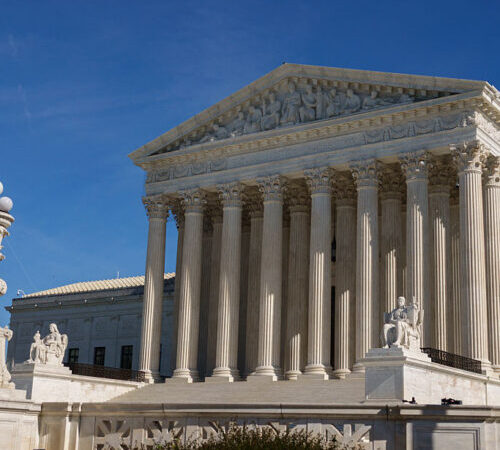
The Supreme Court left DEI grant protections in place for seven California researchers by declining to hear the government’s appeal of a ruling that blocked their funding cancellations.
Key takeaways
- DEI grant protections remain in place for seven California researchers after the Supreme Court declined the government’s appeal.
- The lower court found the challenged grant cancellations violated the First Amendment.
- The case involves researchers at UC Berkeley and UC San Francisco and grants from multiple federal agencies.
- DEI grant protections remain in place for seven California researchers after the Supreme Court declined to hear the government’s appeal.
- The lower court found that the grant cancellations violated the First Amendment.
- The dispute began with grants across several federal agencies and a challenge by researchers at UC Berkeley and UC San Francisco.
What changed
The Supreme Court has allowed a lower-court order protecting seven California researchers’ grants to remain in force. The justices declined to hear the government’s appeal, leaving the block on those cancellations intact.
The case arose after federal agencies terminated grants they viewed as violating a Trump executive order barring the use of diversity, equity and inclusion, or DEI. Ars Technica reports that the researchers challenged those decisions, arguing that the funding was canceled as part of a broader effort to remove DEI-related work.
The original lawsuit included a large group of researchers at the University of California, Berkeley and UC San Francisco. Their grants came from several federal agencies, including the National Institutes of Health and the Department of Transportation.
For the seven researchers covered by the order, the immediate change is that the government cannot proceed with the grant cancellations blocked by the lower court. The Supreme Court did not explain its decision, and no justice filed a dissent.
Why it matters
Analysis: The dispute puts researchers’ access to federal grant funding alongside a constitutional question about government decisions affecting research connected to DEI. The lower court concluded that the cancellations violated the First Amendment, a finding that gives the case significance beyond the immediate funding dispute.
The government’s stated basis for ending the grants also matters to how researchers and institutions assess funding decisions. According to Ars Technica, agencies acted under an order blocking DEI use without first defining DEI; the targeted grants were often selected through keyword searches.
That account raises a practical concern for grant recipients: broad or unclear criteria can make it difficult to know which funded projects may be affected. The source does not establish that every DEI-related grant faces cancellation, so the decision should not be read as a general guarantee for all researchers.
TechnoRapper’s editorial desk used Ars Technica’s report as the source for the court action, the scope of the injunction and the background to the grant challenge. The broader implications remain uncertain because the Supreme Court offered no reasoning.
Who is affected
The direct beneficiaries are seven researchers in California whose grants were covered by the lower-court order. The lawsuit was brought by a larger group affiliated with UC Berkeley and UC San Francisco, but the Supreme Court’s action described in the report applies only to those seven researchers.
Other researchers and universities may follow the case because it involves grants from agencies with different missions, including health research and transportation. However, the order does not by itself restore funding to every person who challenged a DEI-related grant cancellation.
Federal agencies are also affected by the ruling in this specific dispute: they cannot use the challenged cancellations against the seven researchers while the injunction remains in place. The report does not say how agencies will handle other grants or whether they will change their review methods.
Readers tracking the dispute can also review TechnoRapper’s earlier coverage of UC researchers’ DEI grant protections, which covers the related funding fight.
What to watch next
The first question is whether the lower-court injunction continues to protect the seven researchers as the case proceeds. The Supreme Court’s refusal to hear the appeal leaves the existing order in place, but the source does not report a final resolution of the underlying lawsuit.
Another point to watch is how the agencies define or apply the restrictions on DEI-related work. The reported use of keyword searches, alongside the absence of a definition of DEI, leaves open how consistently grant decisions can be made under the policy.
Finally, watch for whether the lower court’s First Amendment reasoning affects decisions in other cases. The Supreme Court did not endorse that reasoning in a written opinion; it simply declined to hear this appeal, so the wider legal effect remains uncertain.
Frequently asked questions
Did the Supreme Court restore all canceled DEI grants?
No. The decision leaves in place an injunction covering seven researchers in California. It does not restore every grant challenged by researchers.
Why were the researchers’ grants canceled?
Federal agencies said the grants violated a Trump executive order blocking the use of DEI. Ars Technica reports that the government had not defined DEI and that agencies often identified grants through keyword searches.
What did the lower court decide?
The lower court blocked the grant cancellations and ruled that the government’s actions violated the First Amendment. The Supreme Court declined to hear the government’s appeal without providing an explanation.
Related on TechnoRapper
- UC researchers’ DEI grant protections
- Microsoft outage recovery: Microsoft Restores Outlook, Teams and Copilot After
- Measles Deaths Reach 10: What the Confirmed Count Includes
- GTA VI Leak Case: Arion Kurtaj Pleads Guilty to 2022 Hacks
- Bre Petrunko copyright dispute: YouTube’s Bre Petrunko Dispute Shows the Cost
Inspired by: Ars Technica
How we used the source: facts, quotes, and numbers in this article come only from that Inspired by link. We added structure, search intent, and reader context. We did not independently verify the reporting.
Permanent link · https://technorapper.com/2026/11/dei-grant-protections/