DEI grant protection: UC Researchers Keep Their DEI Grants as Supreme Court
DEI grant protection remains for seven California researchers after the Supreme Court declined review, leaving a lower-court First Amendment ruling in
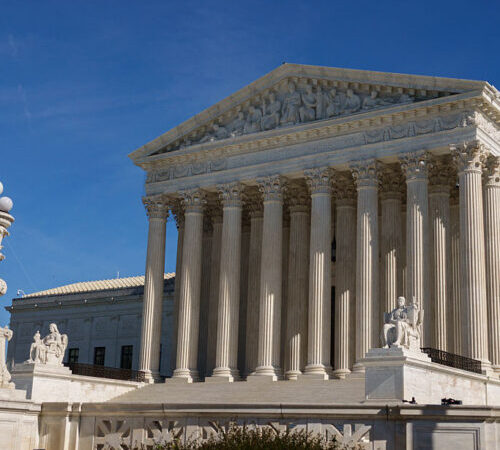
DEI grant protection — The Supreme Court has left a lower-court block on canceling DEI-related grants in place, protecting funding for seven University of California researchers while a First Amendment ruling with
Key takeaways
- DEI grant protection remains in place for seven California researchers after the Supreme Court declined to hear the government’s appeal.
- The lower court found that the grant cancellations violated the First Amendment.
- The Court gave no explanation, and the source says the injunction applies to seven researchers.
- DEI grant protection: Seven California researchers remain protected from grant cancellations after the Supreme Court declined to review the lower-court ruling.
- The lower court found the government’s actions violated the First Amendment.
- The Supreme Court gave no explanation, and no justice recorded a dissent.
What changed
The Supreme Court declined to hear the government’s appeal of a lower-court decision blocking it from canceling grants awarded to seven researchers in California. That leaves the injunction in place for those researchers, whose funding had been revoked during the Trump administration’s effort to remove support for work associated with diversity, equity and inclusion, or DEI.
The Court did not explain why it rejected the appeal, and no justices filed a dissent. Its action therefore preserves the existing lower-court order but does not add a written Supreme Court interpretation of the dispute.
According to Ars Technica, the lawsuit began with a larger group of University of California researchers challenging terminations affecting grants from federal agencies. The agencies involved included the National Institutes of Health and the Department of Transportation.
The grant cancellations followed an executive order blocking the use of DEI. The source reports that the government had not defined DEI, while agencies often identified grants for termination through keyword searches. The lower court concluded that the government’s actions violated the First Amendment.
Why it matters
Analysis: The immediate stake is funding continuity for the seven researchers covered by the injunction. For researchers and institutions whose work depends on federal grants, the case also highlights how broad policy language and the methods used to identify affected projects can shape access to research support.
The lower court’s First Amendment finding may matter beyond the seven researchers, but the Supreme Court’s decision does not itself extend the injunction to everyone who challenged a grant cancellation. The source says the ruling may have wider implications; it does not establish what those implications will be or how other cases will be resolved.
The dispute also puts the grant-selection process in focus. If agencies use keyword searches to identify work that might conflict with a policy, the absence of a clear definition can leave researchers uncertain about which projects are at risk. That concern follows from the facts described in this case, not from a new rule announced by the Supreme Court.
Who is affected
The direct beneficiaries are the seven California researchers whose grants are protected by the injunction. The broader lawsuit involved a larger group of University of California researchers and grant awards issued by multiple federal agencies, but the Supreme Court action described here applies to only those seven researchers.
Federal agencies that issued the grants are also part of the dispute, including the National Institutes of Health and the Department of Transportation. The source does not identify every agency or grant affected, so the full scope of the underlying cancellations cannot be determined from the available account.
Other researchers may follow the case because the lower court relied on the First Amendment, but they should not assume that the injunction automatically protects their funding. The Supreme Court’s refusal to hear this appeal leaves the specific order in place; it does not provide a blanket ruling for all DEI-related grants.
What to watch next
The key point to watch is how the lower-court decision affects the continuing dispute over the canceled grants. The Supreme Court offered no reasoning, so its action gives readers no additional explanation of how it viewed the First Amendment issues or the government’s approach to identifying grants.
Readers should also distinguish the injunction’s reach from the broader potential significance of the lower court’s ruling. The seven researchers retain the protection described in the source, while any wider effect remains uncertain. Ars Technica’s account does not report a new government policy or a further court ruling.
How we used the source: The TechnoRapper editorial desk used Ars Technica’s report for the case status, the researchers and agencies involved, and the lower court’s stated First Amendment finding; broader implications are labeled as analysis and kept within those reported facts.
Frequently asked questions
What did the Supreme Court decide about the researchers’ grants?
The Court declined to hear the government’s appeal, leaving a lower-court injunction against canceling grants for seven California researchers in place. It did not provide an explanation.
Does the injunction cover every researcher whose grant was canceled?
No. The source says the decision applies to seven researchers in California, although the original lawsuit involved a larger group of University of California researchers. The Supreme Court’s action does not make the injunction universal.
Why did the lower court block the grant cancellations?
The lower court ruled that the government’s actions violated the First Amendment. The grant terminations followed an executive order blocking the use of DEI, and agencies reportedly used keyword searches to identify grants without a government definition of DEI.
Related on TechnoRapper
- AI chip access rules: US Export Controls Target Remote Access to AI Chips in
- Microsoft 365 Outage Disrupted a Hotel Pool’s Chlorine Safety Alerts
- YouTube copyright claim: YouTube Restores Samantha Shokin’s Folk Song After a
- Apple TV video podcasts: Apple TV Adds a Free-to-Watch Video Podcasts Section
- FAA Communications Failure Disrupts Flights After Router Problem
Inspired by: Ars Technica
How we used the source: facts, quotes, and numbers in this article come only from that Inspired by link. We added structure, search intent, and reader context. We did not independently verify the reporting.
Permanent link · https://technorapper.com/2026/11/dei-grant-protection/