All-In affordability debate: All-In Hosts Struggle to Explain Voters’ Anger
The All-In affordability debate weighs voter anger against economic optimism, while the source points to savings shortfalls, cutbacks and housing costs.
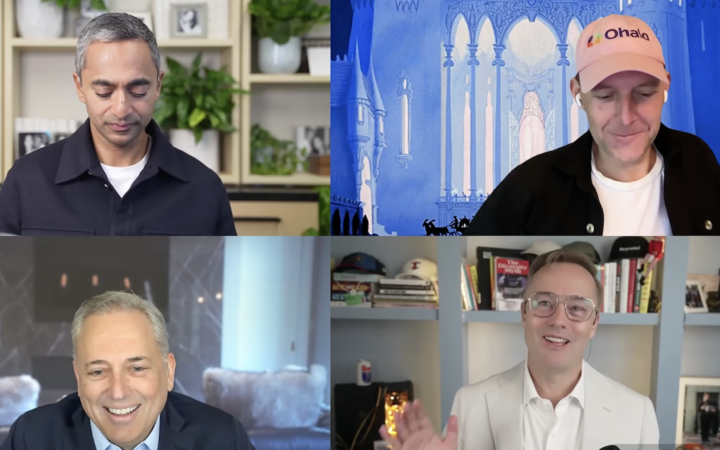
All-In affordability debate — The All-In podcast’s post-election episode discusses why voters are angry, but its hosts focus on perceptions of affordability and political messaging even as the source points to
- The All-In hosts’ affordability discussion shows how they interpret voters’ anger after the election.
- The episode weighs public perceptions of the economy against claims that it is doing well.
- The source cites household savings pressures, lifestyle cutbacks and housing costs as measures of affordability concerns.
What changed
All-In’s four hosts used a post-election episode to consider why voters were angry and what the result might mean for Trump. Their discussion included whether the podcast’s political audience had changed, whether the hosts were out of touch, and how affordability shaped public sentiment.
The hosts are David Sacks, Chamath Palihapitiya, Jason Calacanis and David Friedberg. As 404 Media describes the episode, they repeatedly approached public frustration through the lens of political narratives and perceptions, rather than settling on a clear account of the economic pressures voters face.
Sacks said Republicans had lost part of the podcast audience and argued that alternative media mattered because, in his view, legacy media was hostile to them. Calacanis agreed that mainstream outlets leaned left. The source counters that their account overlooks a range of prominent media outlets and platforms, including Fox News, CBS News, the Washington Post and X.
Affordability emerged as a central theme. Sacks described it as both a political narrative and a perception problem, while also saying the economy was not performing badly. Calacanis floated a tax exemption for people below an income threshold, correcting himself after initially using the word “revenue.” Palihapitiya said wage earners should feel more ownership of the economy.
The conversation also included a suggestion from Calacanis that the “bottom half” without equity holdings were angry about the country’s direction. Those comments frame the episode’s central tension: the hosts recognize that people are dissatisfied, yet appear to search for explanations that do not fully connect that dissatisfaction to material costs.
Why it matters
For listeners trying to understand the election conversation, the episode offers a revealing example of how political commentators interpret economic frustration. Its distinction between economic performance and how people feel about their finances matters because household decisions depend on what people can afford, not only on broad descriptions of the economy.
404 Media points to reported financial strain as a counterweight to the hosts’ emphasis on perception: more than half of Americans cannot afford an emergency fund or save for the future, the source says, and most report cutting back their lifestyles to manage living costs. It also describes housing affordability as being at crisis levels. These claims put the hosts’ upbeat assessment in tension with the financial pressures described in the source.
That tension matters to anyone following the relationship between economic messaging and everyday costs. If commentators treat affordability mainly as a narrative, they may miss why voters see prices, housing and limited savings as concrete problems. The source does not establish that any single issue explains the election result, but it shows why a discussion of voter anger can sound disconnected when it does not engage directly with household constraints.
Analysis: The episode’s value for readers is less about producing a definitive election explanation than showing the gap between acknowledging public anger and identifying its causes. The source’s criticism is that the hosts can name affordability as politically important while still treating it as something shaped chiefly by perception.
Who is affected
The episode is relevant first to All-In listeners and people who follow the podcast’s political commentary. They can hear how the four hosts explain a disappointing election outcome for their political camp and assess whether those explanations address financial concerns raised by the source.
It also speaks to people whose budgets are affected by housing costs, limited savings or the need to reduce everyday spending. The source’s account suggests that these readers may find a discussion centered on perception incomplete when it does not fully reflect the practical limits people face.
Political audiences more broadly are affected by how influential commentators frame economic conditions. The episode’s debate over media, voters and affordability illustrates how explanations of public sentiment can differ depending on whether speakers focus on political messaging or on the costs people report experiencing.
What to watch next
Readers can watch whether the hosts return to affordability with more attention to specific household pressures, rather than treating it mainly as a perception or narrative. The supplied source does not establish what the podcast will discuss in future episodes, so any shift remains uncertain.
It is also worth watching how the hosts connect their proposed policy ideas to the people they say feel left out of the economy. Calacanis’s tax suggestion and Palihapitiya’s call for wage earners to have more ownership show that the discussion moved toward possible responses, but the source offers no developed policy plan.
Finally, the episode raises a broader question about the role of alternative media in political analysis. The hosts argued that their side lacked supportive media, while 404 Media pointed to outlets and platforms they did not mention. Readers can judge whether future conversations address that broader media landscape as well as the economic grievances the hosts are trying to explain.
Frequently asked questions
What did the All-In hosts say about voter anger?
The hosts discussed whether they were out of touch and considered affordability, media narratives and public perceptions of the economy. The source says they recognized anger but did not clearly identify themselves as among the targets of populist frustration.
Why did affordability become a focus of the episode?
The hosts connected affordability to public dissatisfaction after the election. The source contrasts their emphasis on perception with reported financial pressures, including difficulty saving and housing costs.
Who hosts the All-In podcast?
The four hosts named in the source are David Sacks, Chamath Palihapitiya, Jason Calacanis and David Friedberg. The episode discussed the election aftermath and the reasons they believed voters were angry.
Related on TechnoRapper
- UK Adult Content Law Puts Fetish Videos and Private Recordings at Risk
- Clips4Sale UK restrictions: Clips4Sale Limits UK Video Access as New Porn Law
- Meta AI terms: Meta AI Training Terms Put on Hold After Website Data Backlash
- Daredevil #700 Sets Up a Return to Matt Murdock’s Biggest Turning Points
- Gambit first appearance: Gambit’s Comic Debut Debate Meets a PSA 10 Uncanny
Inspired by: 404 Media
How we used the source: facts, quotes, and numbers in this article come only from that Inspired by link. We added structure, search intent, and reader context. We did not independently verify the reporting.
Permanent link · https://technorapper.com/2026/11/all-in-affordability-debate/