Russia’s Reported Orbital Nuclear Weapon Raises Satellite Risks
An orbital nuclear weapon could threaten thousands of satellites if Russia launches before year-end, according to intelligence concerns reported by Ars
AI summary
German media reports cited by Ars Technica say Western intelligence officials are concerned Russia could launch a nuclear-armed satellite before year-end, earlier than previously expected. Such a detonation could threaten military and commercial satellites, human spaceflight platforms, and spacecraft belonging to Russia and China. The next key question is whether officials provide further detail about the reported launch timeline or the weapon’s development.
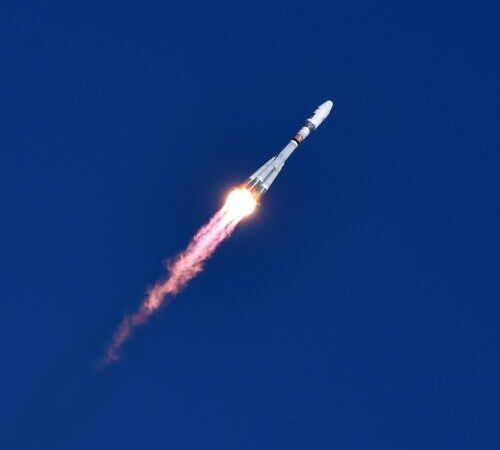
orbital nuclear weapon — Russia could put a nuclear-armed satellite into orbit before the end of the year, according to reporting cited by Ars Technica, potentially exposing spacecraft across low Earth orbit to a
- Russia’s reported orbital nuclear weapon could be launched before year-end, according to reporting cited by Ars Technica.
- A nuclear detonation in orbit could threaten low-Earth-orbit satellites, including military and commercial communications systems.
- The source describes the launch timing as an intelligence concern reported by German media, not as a confirmed launch.
What changed
Russia’s possible timeline for deploying a nuclear weapon in space now appears shorter than earlier assessments suggested. Ars Technica reported that German media, citing Western intelligence officials, said Russia could launch a nuclear-armed satellite before the end of the year.
The report does not say that a launch has taken place or provide a confirmed launch date. Instead, it presents the possibility as a concern raised by intelligence officials, with the reported timing suggesting that development may be more advanced than previously understood.
The background reaches back to early 2024, when US lawmakers briefed on government intelligence disclosed Russia’s ambition to deploy a space-based nuclear weapon. At that time, US officials said Russia had launched a test satellite in 2022 to examine radiation effects on space hardware and support development of a future nuclear-armed craft.
Those officials also said Russia had not yet placed a nuclear weapon in orbit. The newer account, as relayed by Ars Technica, changes the perceived urgency of the issue but does not establish that the weapon is ready or that a launch is certain.
Why it matters
The concern is not limited to a single target. A nuclear detonation in orbit could affect thousands of satellites in low Earth orbit, according to the source, putting communications, military surveillance, and other spacecraft at risk.
Commercial networks named in the report include Starlink and Starshield. The source also identifies Western military surveillance satellites and human spaceflight platforms such as the International Space Station as potentially exposed.
That broad potential impact is what distinguishes the reported weapon from an attack aimed at one satellite. The source says an orbital nuclear detonation would be indiscriminate, and could also damage Russian spacecraft and Chinese satellites rather than only systems belonging to Russia’s adversaries.
Analysis: For satellite operators and people who rely on satellite-supported communications, the practical stake is the possibility of a hazard that could reach beyond a specific country or military network. The source does not describe an actual detonation or establish the likelihood of one, so the concern should be understood as a reported risk rather than a confirmed operational event.
Who is affected
Military users are among the groups with potential exposure because the source names Western surveillance satellites and military communications networks. A disruption to spacecraft in orbit could affect systems used for observation and communications, although the report does not specify particular missions or operational consequences.
Commercial satellite operators are also implicated. Starlink and Starshield appear in the reporting as examples of networks in low Earth orbit that could be threatened, alongside the wider population of thousands of satellites.
Human spaceflight is another concern: the source specifically includes the International Space Station among platforms at risk. The potential impact would not be confined to Western assets, since the report says a detonation could also knock out Russian and Chinese spacecraft.
The source does not identify individual satellite operators beyond those named or describe any changes to their services. For now, the affected group is best understood broadly: spacecraft owners and users whose systems depend on satellites operating in low Earth orbit.
What to watch next
The central point to watch is whether the reported year-end possibility receives further confirmation or clarification. The account attributes the concern to Western intelligence officials as reported by German media, but supplies no launch date, technical specifications, or public confirmation that a nuclear weapon has entered orbit.
Further statements from officials could clarify whether the reported timeline reflects a potential launch, a development milestone, or an assessment of capability. Until such details appear, the difference between a reported possibility and a confirmed launch remains important.
Readers should also watch for any new information about the 2022 test satellite mentioned in the source and how officials connect that earlier test to the current assessment. Ars Technica’s account provides the stated context but does not offer additional technical evidence or describe a change in satellite operators’ current plans.
Source note: The TechnoRapper editorial desk used Ars Technica’s report as the source of record for the reported intelligence assessment and the historical context it summarizes. The article treats the proposed launch as uncertain because the supplied reporting describes a possibility, not a confirmed event.
Frequently asked questions
Could Russia launch a nuclear weapon into orbit this year?
German media, as cited by Ars Technica, reported that Western intelligence officials worry Russia could launch a nuclear-armed satellite before the end of the year. The supplied report does not confirm a launch or give a specific date.
What could an orbital nuclear detonation affect?
The source says it could threaten thousands of low-Earth-orbit satellites, including military and commercial communications networks, surveillance satellites, and the International Space Station. It also warns that Russian and Chinese spacecraft could be affected.
Has Russia already put a nuclear weapon in orbit?
The source does not report that Russia has done so. It says US officials previously described a 2022 test satellite intended to examine radiation effects on space hardware, while stating at the time that Russia had not yet sent a nuclear weapon into orbit.
Related on TechnoRapper
- Meta net-zero goal: Meta’s AI Expansion Puts Its 2030 Net-Zero Target Under
- Blade Runner 2099 reviews: Blade Runner 2099 Sets a New Franchise Low for
- Avengers: Doomsday X-Men: Avengers: Doomsday Trailer Reveals an Unusual X-Men
- AI Data Center Power Demand Complicates UN Climate Goals
- AptDeco Payout Delays Leave Furniture Sellers Waiting After Pickup
Inspired by: Ars Technica
How we used the source: facts, quotes, and numbers in this article come only from that Inspired by link. We added structure, search intent, and reader context. We did not independently verify the reporting.
Permanent link · https://technorapper.com/2026/11/orbital-nuclear-weapon/