Marvel superhero oversight: Marvel’s New Avengers Reopens the Debate Over
Marvel superhero oversight drives Avengers #1, as an international powers ban, a new SHIELD, and Luke Cage’s election fight revive a familiar debate.
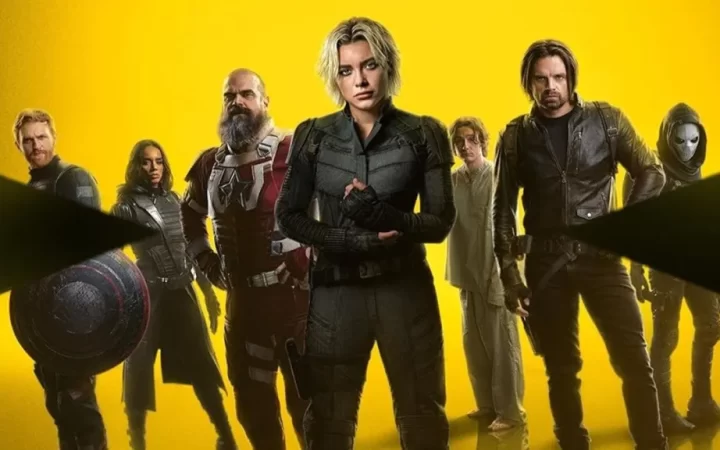
Marvel superhero oversight — Marvel’s new Avengers series puts government control of superhuman activity at the center of its story, revisiting a conflict that has appeared across the publisher’s comics and Marvel
Key takeaways
- Marvel superhero oversight drives Avengers #1, where a UN resolution restricts enhanced abilities in signatory countries.
- The United States rejects the resolution because it doubts the rules can be enforced, while Luke Cage faces an anti-superhuman political challenger.
- The comic revisits a theme seen in Civil War, Devil’s Reign, and Marvel Studios stories.
- Marvel superhero oversight is the central conflict in Avengers #1: an international resolution restricts enhanced powers, while the United States declines to sign it.
- Luke Cage faces an election challenge from Amanda Spring, whose campaign opposes superhumans.
- The series revisits a theme found in earlier Marvel stories, including Civil War and the MCU’s Sokovia Accords.
What changed
Avengers #1 starts in the aftermath of Avengers: Armageddon, where a fight involving Red Hulk and several superhero teams leads to a new international response. The United Nations passes a Superpowers Resolution that bars enhanced abilities in the countries that sign it, and those nations agree to finance a new SHIELD tasked with policing superhumans.
The United States stays outside the agreement, but the comic’s setup does not present that choice as a defense of individual liberty. US officials doubt the resolution can be enforced and choose a separate approach, even as the Avengers voluntarily disassemble.
At the same time, Luke Cage is fighting to keep his political position in New York City. Elected mayor in 2021 after Devil’s Reign, Cage now faces Amanda Spring, a politician running on an anti-superhuman platform. Her challenge ties the international dispute to local politics and helps establish the pressure that could bring a new Avengers team together.
Marvel’s Avengers #1, by Chip Zdarsky and Marco Checchetto, therefore combines a new political crisis with familiar questions about who gets to use extraordinary power and who has the authority to regulate it. The TechnoRapper editorial desk used the supplied SuperHeroHype feature as its source for the comic’s plot details and the history of this recurring theme.
Why it matters
Analysis: For readers, the central stake is the freedom and autonomy of people with superpowers. A rule that restricts enhanced abilities affects how heroes can act, while a government-backed SHIELD raises questions about who sets the limits and how those limits are enforced.
The story also matters as a point of comparison across Marvel’s different formats. The source describes government oversight as a recurring subject in comics and in Marvel Studios projects, so the latest Avengers issue may feel familiar to readers who have encountered these conflicts in films or television adaptations.
That familiarity can work in two directions. A recurring theme can connect different stories, but repeating a similar setup may also leave readers wondering what this installment adds beyond another conflict between superheroes and authorities. The comic’s specific political choices—especially the US decision not to sign the resolution—give this version its own details, though the supplied information does not establish how the series will develop them.
Readers following the wider screen universe can also see why this debate is relevant to the MCU’s future. The source points to government-sponsored and independent Avengers as part of Avengers: Doomsday’s subplot, and says the arrival of the X-Men in Phase Seven could keep political control of superhumans in view.
Who is affected
Comic readers who follow Avengers stories are the most direct audience for the new setup. They will see the consequences of the Superpowers Resolution, the US decision to pursue its own plan, and the political danger facing Luke Cage.
Readers familiar with Civil War, Devil’s Reign, or the X-Men’s political storylines may recognize elements of earlier conflicts. The source notes that Marvel has previously explored government limits on heroes through registration proposals, restrictions on underage superhumans, and efforts to control or eliminate mutants.
MCU viewers have a related reason to pay attention, even if they do not read the comics. The feature connects the comic’s concerns to the Sokovia Accords in Captain America: Civil War, the Department of Damage Control in several later projects, and the coming divide between different Avengers groups described in Avengers: Doomsday.
What to watch next
Watch how Avengers #1 develops the split between international rules and the US government’s separate strategy. The supplied information establishes the competing positions but does not explain how either plan will operate in practice or what consequences the comic will show.
Luke Cage’s mayoral contest is another thread to follow. Amanda Spring’s anti-superhuman platform puts public authority and the treatment of powered people into the same political story, but the source does not say how the election will end.
For the wider Marvel picture, the next useful point of comparison is whether future stories give this familiar conflict a different direction. The source specifically flags the MCU’s upcoming X-Men and the government-backed New Avengers subplot, but it does not confirm how those threads will resolve.
Readers looking beyond the comic can also follow TechnoRapper’s coverage of the Avengers: Doomsday trailer discussion for another angle on the franchise’s next screen chapter.
Frequently asked questions
What is the Superpowers Resolution in Avengers #1?
The resolution bars enhanced abilities in the countries that sign it. Those allied nations also agree to fund a new SHIELD to police the world’s superhumans.
Why does the United States reject the Superpowers Resolution?
In the comic’s setup, the United States does not believe the agreement can be enforced. The source says the decision is not based on a commitment to personal freedom.
How does Avengers #1 connect to Marvel’s other stories?
It revisits government control of superhumans, a theme explored in Civil War, Devil’s Reign, and other Marvel comics. The source also connects the theme to MCU projects including Captain America: Civil War and Daredevil: Born Again.
Related on TechnoRapper
- TechnoRapper’s coverage of the Avengers: Doomsday trailer discussion
- Southland Tales Turns Dwayne Johnson Into a Conspiracy-Era Sci-Fi Lead
- Gemini 4 Hydrogen Replaces Flash Across Google’s AI Products
- Claude and Max/MSP Put Creative Coding’s Human Work in Focus
- Nvidia AI chip growth: Nvidia’s AI Chip Boom Raises Questions About Water
Inspired by: SuperHeroHype Comics
How we used the source: facts, quotes, and numbers in this article come only from that Inspired by link. We added structure, search intent, and reader context. We did not independently verify the reporting.
Permanent link · https://technorapper.com/2026/11/marvel-superhero-oversight/