Exploit comic: Exploit Turns Tech Journalism’s Fight for Survival Into a
Exploit comic follows intern Kirby Kuo into a dangerous tech investigation, exploring newsroom pressure, source risks and the power gap facing journalists.
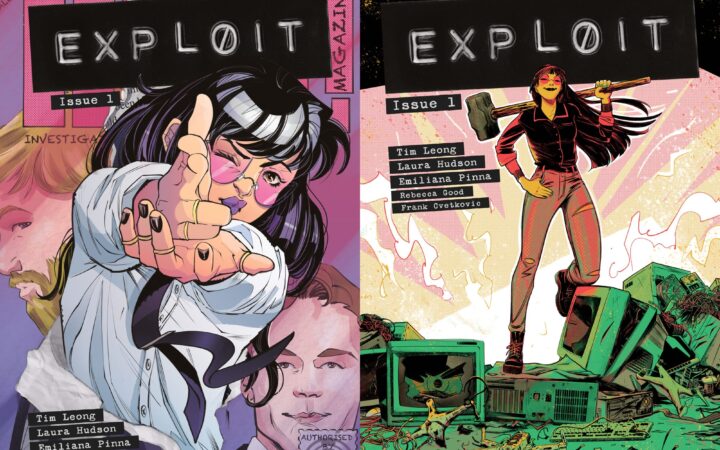
Exploit comic — Exploit is a graphic thriller about a young tech journalist whose pursuit of a major story puts her in the path of powerful executives, dangerous sources and online threats.
Key takeaways
- The Exploit comic follows intern Kirby Kuo as a tech investigation puts her on the run after her reporting subject is killed.
- Laura Hudson and Tim Leong wrote the series, with illustrations by Emiliana Pinna and a collected paperback from Mad Cave Studios.
- The story explores newsroom pressure, journalists’ relationships with sources and the unequal power between reporters and wealthy executives.
- Exploit follows intern Kirby Kuo as a tech investigation draws her into a dangerous conflict involving a magazine’s new owner and sensitive sources.
- Laura Hudson and Tim Leong created the series with illustrator Emiliana Pinna; Mad Cave Studios published its collected trade paperback.
- The comic centers on the risks of reporting with leaked data, the unequal power between journalists and wealthy executives, and the need to scrutinize sources.
What changed: Exploit brings tech journalism into comics
Exploit gives the familiar newsroom story an action-thriller frame, using a fictional print magazine to explore the pressures facing independent technology journalism. The series’ central reporter is Kirby Kuo, an editorial intern seeking her first byline at RIOT!, a publication that investigates technology.
According to the 404 Media interview and feature, the collected trade paperback was published by Mad Cave Studios. Hudson and Leong wrote the series, while Emiliana Pinna illustrated it. Its tagline, “Don’t Bury The Lede. Bury Your Enemies!”, signals a comic that mixes newsroom work with high-stakes genre plotting.
Kirby’s reporting becomes dangerous after the subject of her investigation is assassinated during a livestream. She is blamed, goes on the run and must decide whether to rely on Lenox, a young hacker, and Ipsum, an experienced cybermercenary.
The setup is fictional, but the creators draw on experience in journalism and comics. Hudson and Leong previously shared roles at WIRED and co-ran Comic Foundry; Hudson has also worked at The Verge and ComicsAlliance, while Leong has held creative positions at Fortune and Entertainment Weekly.
Why Exploit matters
The comic’s core tension is not simply that a reporter faces a powerful antagonist. It is that the parties have radically different resources: a journalist may threaten an executive’s reputation, while an executive with immense wealth can put a publication under pressure. Hudson agreed with the interviewer’s reading of that imbalance as a central theme.
Analysis: For readers interested in technology, that conflict makes the story relevant beyond its newsroom setting. Reporting can help explain systems and companies that affect public life, while the series asks what happens when the people under scrutiny can exert pressure on the outlets doing the reporting.
Hudson told 404 Media that the series reflects her anger about threats to independent journalism, while also acknowledging that she cannot remain angry all the time. The comic channels that feeling into a story about people who act despite understanding that the mission may carry serious personal costs.
The book also treats technology as difficult to grasp in full, rather than as a simple backdrop. In the interview, Hudson argued that the internet and its infrastructure are vast and complex, but that recognizing their scale should not become a reason to give up on addressing problems.
Who is affected
Readers of comics about journalism, technology and cybersecurity are the clearest audience for Exploit. The story combines a reporter’s investigation with chase sequences, a heist-planning element and characters whose work brings them into contact with hackers and leakers.
It may also resonate with people following debates about the power of technology executives and the independence of newsrooms. The comic’s antagonists are fictional, and the feature describes one as resembling a cyberlibertarian who becomes a technofascist; the story should not be mistaken for a direct account of a particular company or real-world event.
For journalists and readers interested in reporting practice, Kirby’s inexperience is important. Hudson said the character has done some journalism but is green when faced with sources and stakes at this level, and that the people around her help her do what she could not manage alone.
The series also highlights the uncertainty of working with sources who have their own motives. Hudson emphasized that valuable information does not automatically make a source an ally, and that trust and skepticism must coexist when journalists handle sensitive material.
What to watch next
For readers considering the book, the key question is how its thriller mechanics serve its journalism themes. The reported setup promises more than a chase: it places source relationships, newsroom judgment and the consequences of publication inside the action.
It is also worth watching how the series handles the difference between an individual threat and a structural imbalance. The interview describes both wealthy executives’ ability to pressure publications and online mobs of doxxers who support powerful tech figures, but the supplied material ends before Hudson answers the interviewer’s question about those mobs.
Analysis: That cutoff leaves one point unresolved in the available account: how the creators connect the threat of online harassment to the wider story. Readers should avoid treating an incomplete interview excerpt as a full explanation of the series’ ending or its later developments.
TechnoRapper’s editorial desk used the supplied 404 Media feature and interview as the source for the publication details, characters and themes discussed here. The source presents Exploit as a fictional action thriller informed by its creators’ journalism experience, not as a documentary account.
Frequently asked questions
What is Exploit about?
Exploit follows Kirby Kuo, an editorial intern at a tech-investigations magazine, after a reporting subject is killed during a livestream and she becomes a suspect. She goes on the run and relies on a young hacker and an experienced cybermercenary.
Who created the Exploit comic?
Laura Hudson and Tim Leong wrote the series, and Emiliana Pinna illustrated it. Mad Cave Studios published the collected trade paperback, according to the 404 Media feature.
Does Exploit depict real events?
The source describes the series as an action thriller, not a factual report. Hudson said some plot points draw on real episodes in technology and cybersecurity, while the characters and central story are fictional.
Related on TechnoRapper
- OpenAI board crisis: OpenAI’s Boardroom Crisis Raises a Hard Question About
- Magic Netflix series: Magic: The Gathering’s Planeswalker Series Sets a
- FAA Ground Stop Ends, but Aging Air-Traffic Equipment Raises Risk of More Delays
- SpaceX Starship Tower Catch Shows Progress Toward Rocket Reuse
- Avengers: Doomsday writing credits: Avengers: Doomsday Adds Ryan Reynolds and
Inspired by: 404 Media
How we used the source: facts, quotes, and numbers in this article come only from that Inspired by link. We added structure, search intent, and reader context. We did not independently verify the reporting.
Permanent link · https://technorapper.com/2026/11/exploit-comic/