Doctor Doom’s Lost Child Could Explain His Avengers: Doomsday Motive
Doctor Doom’s lost child is part of his Avengers: Doomsday backstory. Here is what Joe Russo confirmed, what Marvel history adds, and what remains
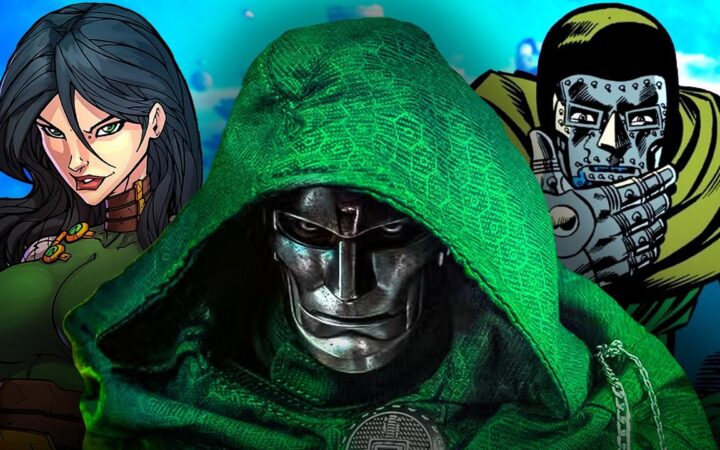
Doctor Doom’s lost child may help explain why he becomes a ruthless threat in Avengers: Doomsday, according to comments from the film’s co-director.
What changed
Doctor Doom’s lost child is now part of the publicly described backstory for Robert Downey Jr.’s character in Avengers: Doomsday. Co-director Joe Russo told Empire Magazine that Doom is a father who has experienced trauma and lost a child, framing personal grief as a defining part of this version of the villain.
That detail gives audiences a new way to read Doom’s role in the upcoming film: his threat may be connected not only to ambition or power, but also to a profound personal wound. Russo also described Doom as a Gothic figure with dark magic who is willing to sell his soul to get what he wants.
The source does not say when or how Doom’s child died, name the child, or confirm whether the film will adapt a particular storyline from Marvel Comics. It raises the possibility that comic-book history could offer clues, but no specific child or adaptation has been confirmed in the material available here.
The TechnoRapper editorial desk used The Direct’s report as the source for Russo’s comments and the accompanying Marvel Comics background; the story’s unanswered questions remain uncertain.
Why it matters
Doom’s loss matters because it provides a personal stake behind a character otherwise defined by extraordinary intellect, political power, and command of both science and sorcery. A story that connects those abilities to grief can make his choices feel more specific than a simple desire to defeat the heroes.
Marvel Comics has long given Victor von Doom a history of bereavement. The source recounts that his mother, Cynthia, sold her soul to Mephisto, while his father, Werner, died protecting him. Those earlier losses help explain a recurring motivation in Doom’s history: trying to gain enough control that no one can be taken from him again.
That background does not prove the film will follow the comics closely. Instead, Russo’s remarks show that the movie’s Doom has a family-related trauma of his own, while leaving the precise connection to the character’s established history open.
Reader analysis: For viewers following Marvel’s connected stories, the useful question is not simply how powerful Doom is, but what he believes his loss justifies. That framing could affect how audiences interpret his conflict with the heroes, though the source does not reveal his specific actions or plans.
Who is affected
Marvel fans trying to understand what motivates the film’s central villain have the clearest reason to follow this detail. Russo’s description gives them a confirmed emotional element to consider, but it does not provide enough information to identify the child or predict the plot.
Readers familiar with Doctor Doom’s comic-book history may also see a connection to the losses that shaped Victor von Doom before his rise to power in Latveria. However, the source distinguishes that broad history from the film’s specific revelation: the movie character has lost a child, while the identity and circumstances remain undisclosed.
Viewers tracking how Avengers: Doomsday fits into Marvel’s wider storytelling can also compare its setup with other coverage of the film. TechnoRapper has reported on the VisionQuest finale’s link to Avengers: Doomsday and on what Ant-Man’s Doomsday suit signals; those stories offer separate context, not confirmation of Doom’s family story.
What to watch next
The most important unanswered detail is the child’s identity. Russo’s comments confirm the loss as part of Doom’s characterization, but they do not establish whether the child is drawn from a particular comic-book storyline or created for the film.
Watch for official information that clarifies when the loss occurred and how it relates to Doom’s motives. Until then, claims about a specific character, cause, or sequence of events would go beyond the source.
It will also matter whether the film connects Doom’s grief to his pursuit of science, sorcery, or control. The source establishes that he is willing to use dark magic and make extreme choices, but it does not say that the child’s death directly causes any particular action in Avengers: Doomsday.
Frequently asked questions
What did Joe Russo reveal about Doctor Doom in Avengers: Doomsday?
Russo described Doom as a father who has experienced trauma and lost a child. He also characterized the villain as a Gothic figure with dark magic who is willing to sell his soul to get what he wants.
Does Avengers: Doomsday reveal which child Doctor Doom lost?
The source does not identify the child or explain the circumstances of the loss. It also does not confirm that the film is adapting a specific Marvel Comics child or storyline.
Why does Doctor Doom’s family history matter?
Marvel Comics has portrayed Doom as shaped by the loss of his mother and father, experiences linked to his drive for power and control. Russo’s comment adds the loss of a child to the film character’s backstory, but the source does not establish exactly how it changes his actions.
Inspired by: The Direct MCU
How we used the source: facts, quotes, and numbers in this article come only from that Inspired by link. We added structure, search intent, and reader context. We did not independently verify the reporting.
Permanent link · https://technorapper.com/2026/11/doctor-dooms-lost-child/