Ancient Cannabis Use: What 2,800-Year-Old Hair Reveals
Ancient cannabis use is evidenced by THC in 2,800-year-old hair from a Siberian tomb. See what the discovery proves—and what remains uncertain.
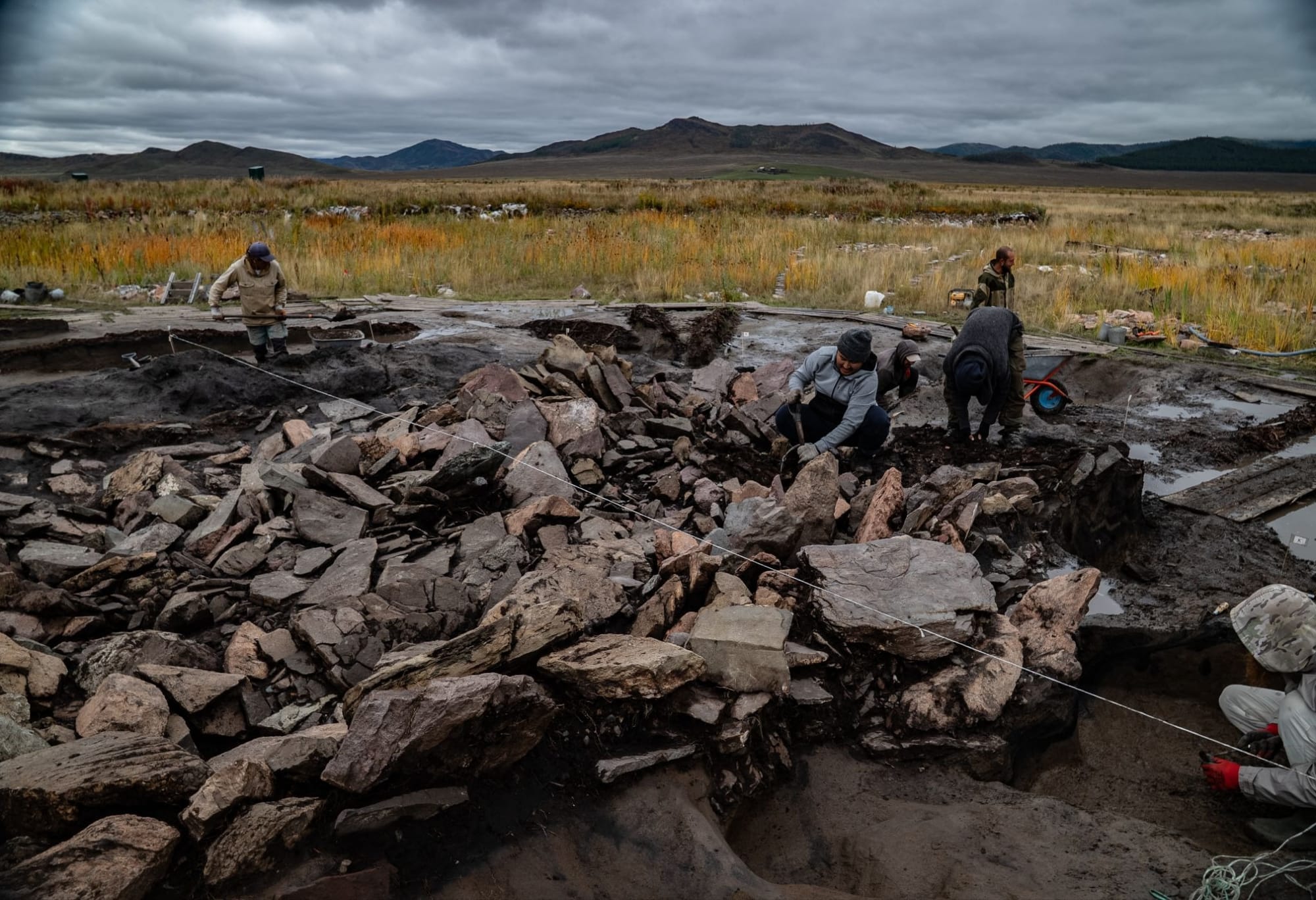
Ancient cannabis use now has its oldest direct archaeological evidence: THC and other cannabinoids were detected in preserved hair from a 2,800-year-old Siberian tomb. The finding connects chemical evidence of psychoactive consumption with cannabis seeds found beside the people buried there, while leaving the precise purpose of their use unresolved.
- Ancient cannabis use is directly evidenced by cannabinoids, including THC, detected in hair from a Siberian burial dated to the 8th century BCE.
- More than 1,400 cannabis seeds were found around remains at Tunnug 1, a tomb that also contained evidence of human and horse sacrifice.
- The researchers plan further excavation and DNA analysis, but the reason people at the site consumed cannabis remains uncertain.
What changed
A study published in Science reports the earliest clear evidence that people consumed cannabis for its psychoactive effects. The evidence comes from Tunnug 1, a Siberian tomb in the Uyuk River Valley dated to the 8th century BCE.
Archaeologists found more than 1,400 cannabis seeds around the remains of several Iron Age individuals. More significantly, analysis of preserved hair identified cannabinoids, including tetrahydrocannabinol, or THC, the plant’s principal mind-altering compound.
That combination matters because cannabis seeds alone cannot establish why people used the plant. The hair results provide direct evidence of exposure in people associated with the burial, giving researchers a firmer basis than earlier suggestions based on historical accounts or plant remains.
The tomb held six elite individuals, mostly men and including one woman, in tree-trunk coffins and wooden structures inside a royal mound. Near the surface, excavators also found remains of sacrificed people and dozens of horses, placing the cannabis evidence in a complex burial setting.
Why it matters for ancient cannabis use
People cultivated cannabis for thousands of years, including for oil and fiber, before this discovery. But cultivation does not show that a community sought the plant’s intoxicating effects; the new chemical evidence helps distinguish those histories.
The finding also gives archaeological support to accounts of Scythian cannabis practices. Scythians were horse-riding people of the Eurasian steppes, and the historian Herodotus described ceremonial cannabis burning in enclosed spaces; researchers have also found cannabis residues and products at other Scythian sites.
At Tunnug 1, however, the exact role of cannabis is unknown. Its presence in a burial suggests a ritual connection, but the researchers’ idea that people selected for sacrifice might have been given cannabis is explicitly speculative, not a conclusion established by the hair or seeds.
That distinction is important for readers interested in cannabis history today: the discovery adds a deep historical anchor to discussion of the plant’s cultural uses, but it does not settle present-day questions about legalization, medicine, or policy. The source reports Caspari’s view that this history can inform those discussions, not that ancient practices provide a direct answer to them.
Who is affected
The immediate audience for the discovery is researchers studying archaeology, ancient societies, plant domestication, and the history of psychoactive substances. The unusual preservation of both seeds and human hair gives those fields different kinds of evidence to investigate together.
It may also interest people following modern cannabis research. The study team says ancient seed DNA could help illuminate domestication and early cannabis varieties, and Caspari raised the possibility that such work might eventually inform production of plants with distinctive cannabinoid combinations.
That possibility remains a future research prospect, not a demonstrated medical application or a product announcement. The source does not report a specific treatment, commercial partnership, or timetable for using ancient genetics in modern cultivation.
For general readers, the story offers a useful comparison: earlier evidence and historical descriptions can suggest that a plant had a particular cultural role, while chemical traces in preserved human tissue can more directly establish exposure. Even so, exposure does not by itself reveal what a person intended or how a substance was administered.
What to watch next
The researchers plan to continue excavations at Tunnug 1 and analyze more hair samples. Those steps could show whether the initial evidence reflects a wider pattern among people connected to the burial or a more limited set of individuals.
The team also plans DNA analysis of the cannabis seeds and has already sequenced part of them, according to the source. Researchers hope this work can help disentangle the plant’s domestication history and clarify what older cannabis genetics looked like.
Caspari said that modern interbreeding has made the identity of wild cannabis difficult to establish, and suggested that ancient DNA could offer a view further back in time. Whether that research can reliably identify ancestral traits—and whether any findings could have practical medical or recreational use—remains to be seen.
For now, the most solid result is narrower but significant: cannabinoids were detected in preserved hair from people buried with a large quantity of cannabis seeds. The ritual interpretation, possible connection to sacrifice, and future value of the genetics all require further evidence.
Frequently asked questions
Where was the oldest direct evidence of psychoactive cannabis use found?
The evidence came from Tunnug 1, a Siberian tomb in the Uyuk River Valley. The burial dates to the 8th century BCE, around 2,800 years ago.
How did researchers identify cannabis use?
They found more than 1,400 cannabis seeds around the remains and detected cannabinoids, including THC, in preserved human hair. The hair evidence directly supports exposure, although it does not establish exactly how or why the cannabis was consumed.
Were people at the tomb given cannabis before being sacrificed?
That is one possibility raised by the study’s lead archaeologist, but it remains speculation. The burial includes evidence of human and horse sacrifice, yet the researchers have no written account explaining the cannabis use at this particular site.
Source note: The TechnoRapper editorial desk used the supplied 404 Media report as the basis for this article, distinguishing the study’s reported evidence from interpretations and future research possibilities.
Source: 404 Media report on the Tunnug 1 cannabis findings.
Related on TechnoRapper
- Samsung’s new Galaxy S27 Pro could come with one disappointing compromise
- Honor’s battery plans look stunning—tests might’ve started with 15,000mAh capacity
- 27 best running sneaker deals to shop now ahead of Black Friday — up to 52% off Asics, Brooks, Hoka and more
Source: 404 Media
How we used the source: facts, quotes, and numbers below come only from that link. We added structure, search intent, and reader context. We did not independently verify the reporting.
Permanent link · https://technorapper.com/2026/11/ancient-cannabis-use/