AI identity fraud: OnlyFake Shows How AI Can Scale Identity Fraud
AI identity fraud moved from manual editing to automated fake ID images with OnlyFake. Learn why the service challenged digital identity checks.
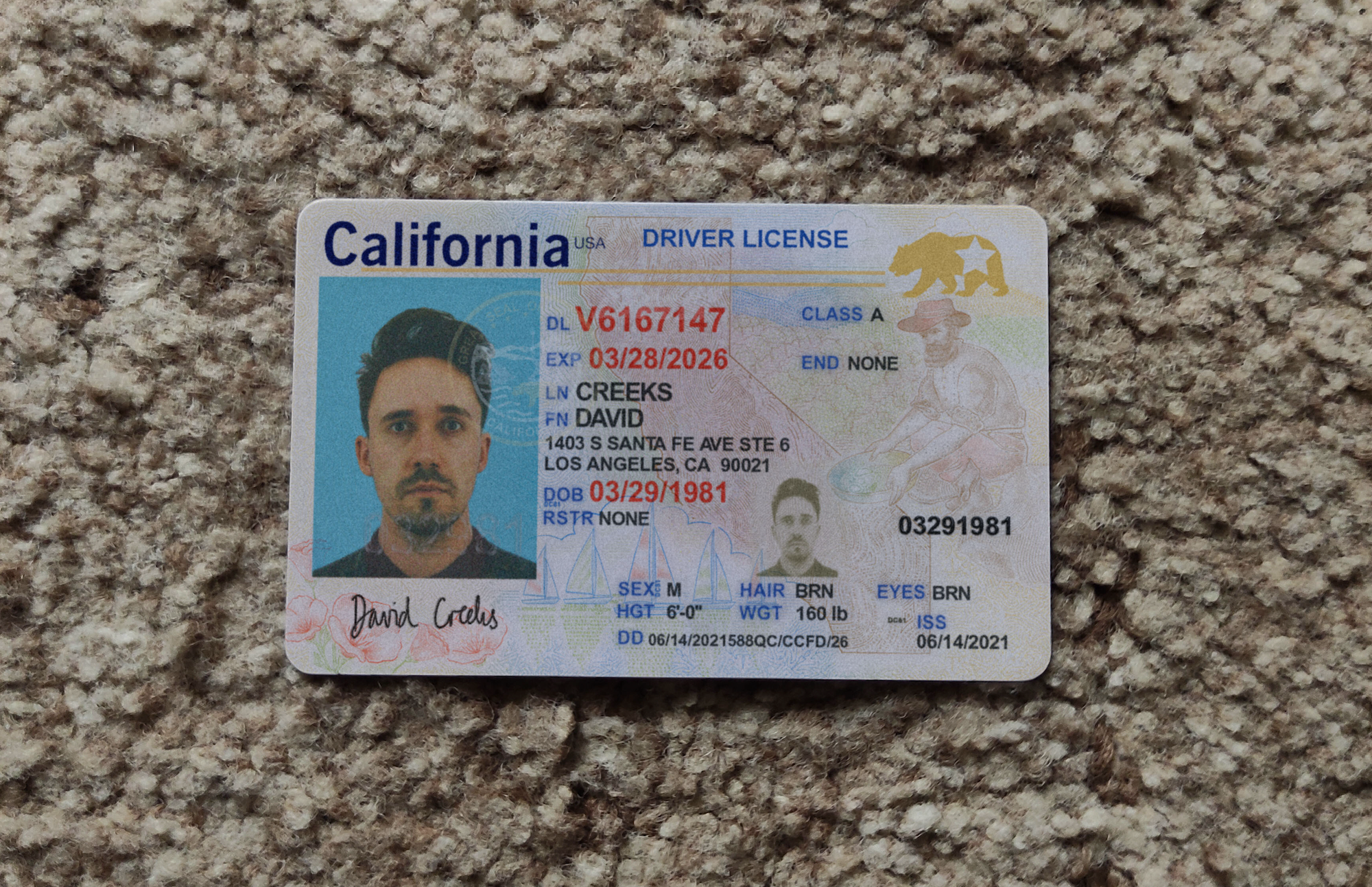
AI identity fraud — OnlyFake shows how AI can scale identity fraud by turning the creation of realistic fake ID images from painstaking manual work into an online service. The site’s creator, Yuriy Nazarenko
Key takeaways
- OnlyFake shows how AI can scale identity fraud by automating realistic fake ID images.
- The service produced images of fabricated identity documents, including photos designed to look as if someone had taken them with a phone.
- Nazarenko said North Korean fake IT workers used the site; 404 Media also reports his arrest and guilty plea.
What changed
OnlyFake automated a task its creator once handled manually: editing identity-document images one detail at a time. Yuriy Nazarenko described spending long stretches adjusting passport details, photographs and document layouts before building templates and then a website to speed up the work.
As generative AI became mainstream, Nazarenko incorporated it into the service. The resulting site could generate images of fake identity documents and present them in settings such as a desk, sofa or carpet, making them resemble photographs of physical cards rather than simple scans.
That presentation mattered because digital identity checks do not always involve examining an original document in person. A convincing image could be submitted to services that check identity, including financial and cryptocurrency businesses, according to 404 Media’s reporting.
The service also changed who could produce such material. The account says customers could generate fake IDs at scale, sometimes hundreds or thousands at a time, rather than needing the detailed skills Nazarenko had developed through manual editing.
404 Media reports that the US Department of Justice said OnlyFake earned more than a million dollars selling fake IDs for $15 each. The article says Nazarenko pleaded guilty, was arrested, served a year in prison and later spoke to the publication; it also reports that he spent months in ICE detention after his sentence.
Why it matters: OnlyFake and digital identity checks
For people who follow AI, online services and cybersecurity, the central issue is not simply that software can generate convincing imagery. It is that identity checks often rely on submitted documents, while digital images can be created or altered without a physical ID ever existing.
Know-your-customer, or KYC, procedures help financial institutions establish who is using their services. The account describes fake identity images being used to try to open bank accounts, access cryptocurrency exchanges or support company formation. That creates pressure on systems that must distinguish genuine documents from convincing fabrications.
Automation can raise the volume of attempted fraud as well as the quality of individual images. If producing a plausible-looking document no longer requires hours of specialised editing, more people can attempt the same abuse. That does not mean every generated image will pass verification, but it helps explain why the article frames OnlyFake as a threat to the assumptions behind document-based checks.
The story also offers a caution about AI’s role in criminal services: a tool built to reduce repetitive work can become infrastructure for misuse when it is offered to customers without safeguards. 404 Media’s account connects the site’s growth to the broader difficulty of containing digital services that can be copied or reproduced by competitors.
Who is affected
Financial institutions and cryptocurrency exchanges are among the organisations exposed to forged identity documents, because the source describes criminals using such images to try to pass identity checks. Businesses that rely on identity documents for onboarding or company formation face a related problem: they must decide whether an image corresponds to a real person and a genuine document.
Ordinary users can also be affected when fraudsters use another person’s identity information or fabricated details to access services. The article explains that fake digital IDs can act as a means of hiding the user’s real identity, though it does not quantify the effects on victims or describe specific cases.
AI developers and online platforms have a stake in how generative tools are deployed, but the source does not claim that AI alone caused the fraud. Nazarenko first automated document editing through templates and a website, then incorporated generative AI. That distinction matters: the capability grew through a combination of automation, document expertise and image generation.
There is no India-specific impact established in the source. For Indian readers, the relevant takeaway is therefore about the general challenge of relying on digital document images for identity verification, not a claim about local incidents or particular Indian services.
What to watch next
Watch how identity-verification providers respond to increasingly realistic document images. The source does not identify particular detection methods or announce new policies, so it cannot establish which approaches will work; the broader question is whether checks can evaluate more than the appearance of a submitted image.
Also watch the relationship between a prominent service and the copycats it can inspire. 404 Media says OnlyFake spawned competitors and that the FBI arrested Nazarenko and shut down some of them. That account suggests enforcement can target specific operators, while leaving open how easily similar services might reappear.
Finally, the story underlines why scale and safeguards deserve attention whenever AI enters a workflow. The useful question for readers is not only whether a tool can produce convincing output, but also who can access it, how it can be abused and what consequences follow when its reach grows faster than oversight.
Frequently asked questions
What was OnlyFake?
OnlyFake was an underground website created by Yuriy Nazarenko that generated realistic images of fake identity documents. 404 Media says the service incorporated generative AI and allowed customers to produce images at scale.
How did OnlyFake make fake IDs look convincing?
Nazarenko first edited identity-document images manually, adjusting details such as text codes, photographs and document layouts. The service later automated the process and could create images styled to look like photos of documents placed on everyday surfaces.
Why are AI-generated fake IDs a concern for KYC checks?
KYC checks help financial institutions establish who is using their services, and they may rely on submitted identity documents. The article explains that realistic fake images can challenge those checks by making fabricated documents look authentic.
Source note: The TechnoRapper editorial desk used 404 Media’s account of interviews with Nazarenko and his lawyer, court records and the publication’s reporting; claims and uncertainty are limited to what that source states.
Related on TechnoRapper
- World of Warcraft addons: World of Warcraft Forever Addons: How AI Could Strain
- AI Fanfiction Scraping: Why AO3’s Outage Became a Rights Crisis
- Cognitive Immortality: What Brain Replacement and Memory Uploading Could Mean
Source: 404 Media
How we used the source: facts, quotes, and numbers below come only from that link. We added structure, search intent, and reader context. We did not independently verify the reporting.
Permanent link · https://technorapper.com/2026/11/ai-identity-fraud/