No New Petrol Scooters, Motorcycles In Delhi From 2028, Proposes Latest EV Policy
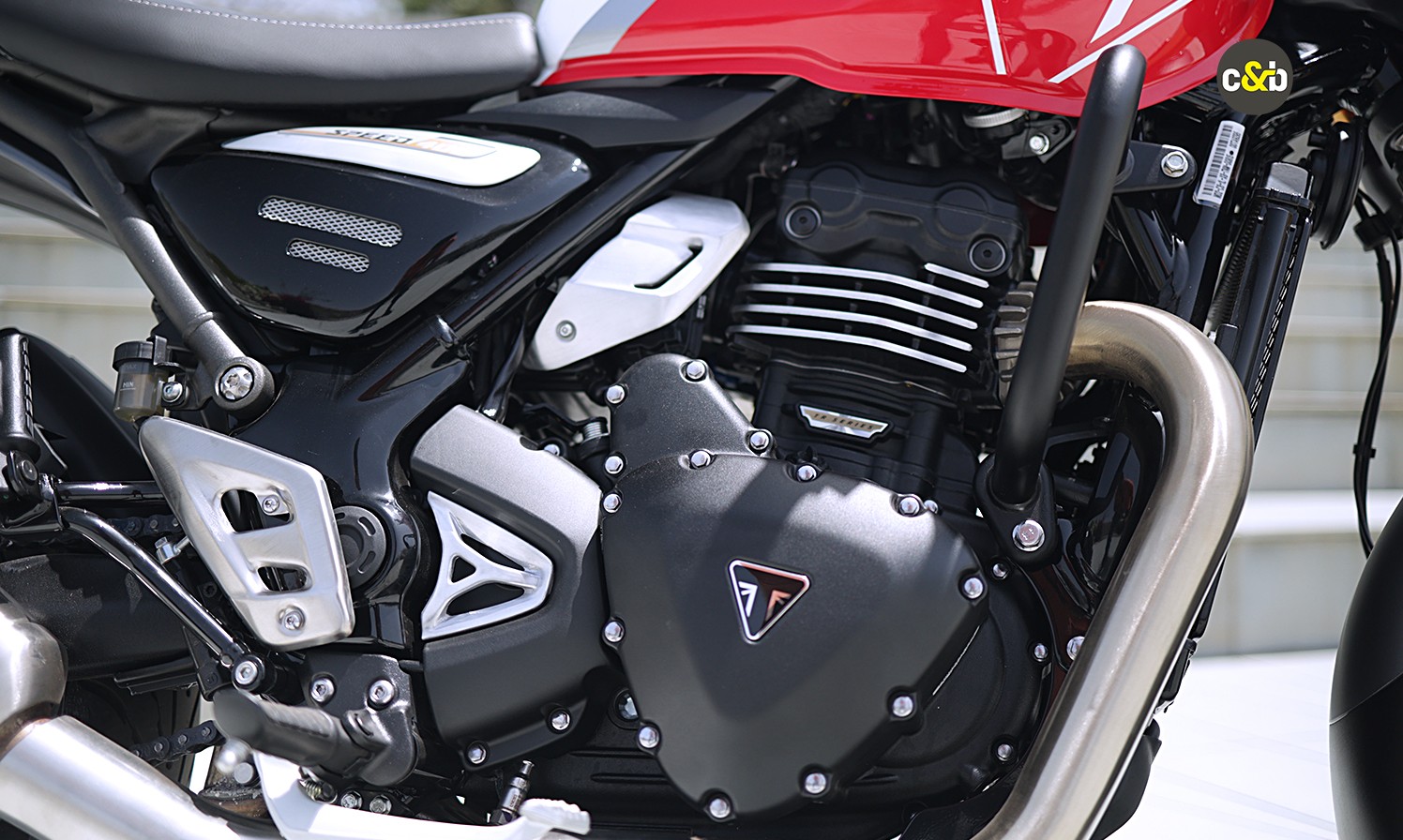
Delhi could be looking at a major shift in its two-wheeler market. As per the EV Policy 2.0 Draft, the government has proposed allowing only electric two-wheelers for new registrations from April 2028 onwards. If implemented, this would effectively put an end to the registration of new petrol scooters and motorcycles in the capital.
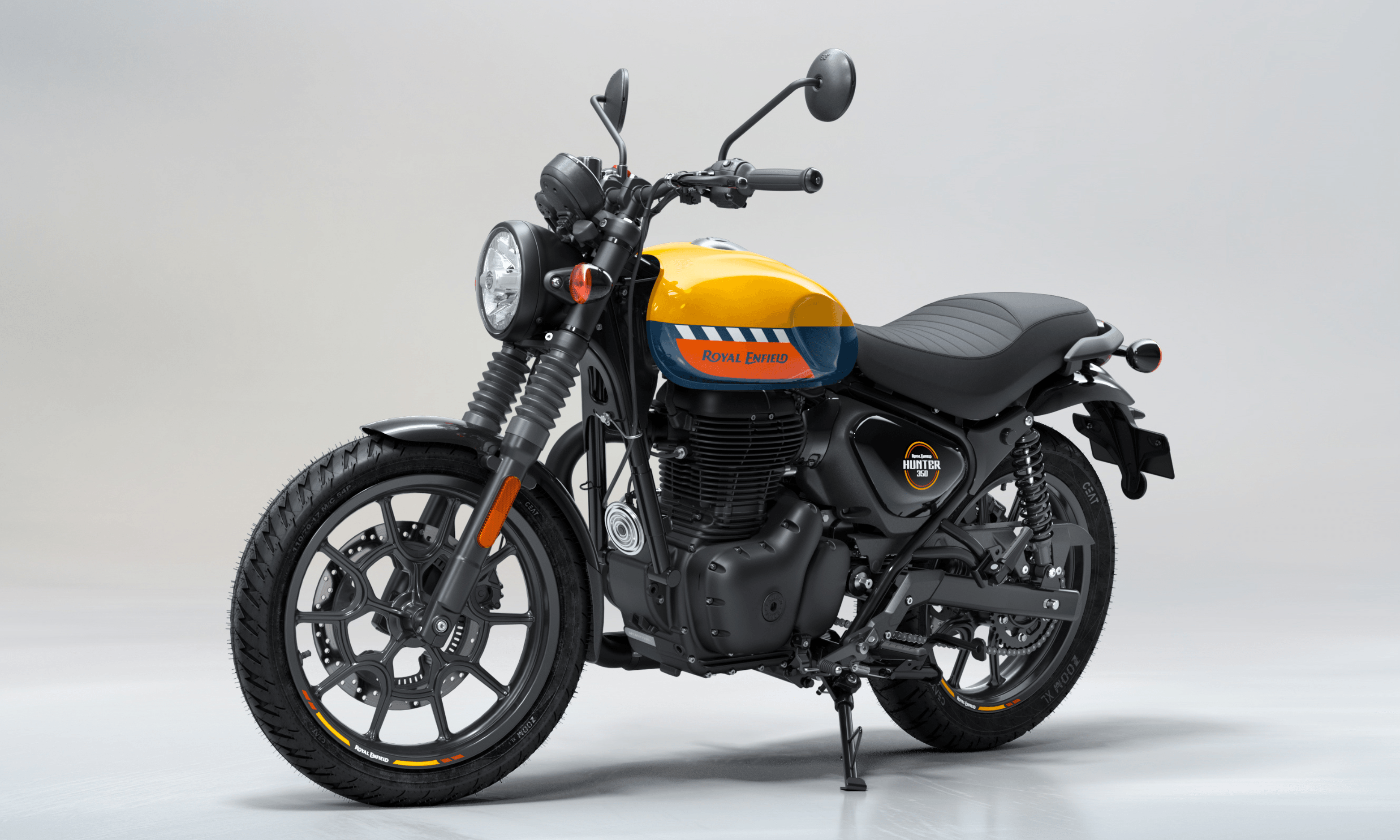
This is part of a broader plan to bolster EV adoption in Delhi, particularly in segments that contribute significantly to overall vehicle volumes. Two-wheelers form a large chunk of the vehicle population in India, not only in the capital.
The draft policy also lays out a phased approach across segments. Electric three-wheelers are expected to transition earlier, with only EVs allowed for new registrations from January 2027. The two-wheeler segment follows a year later.
Also Read: Maharashtra Proposes Double Green Tax, Scrappage Incentives For Old Vehicles
Scrappage Incentives To Push EV Adoption
To support this transition, the policy proposes scrappage incentives for older vehicles. Buyers scrapping BS-IV and older two-wheelers could receive an incentive of Rs 10,000 when purchasing a new electric two-wheeler. Similar benefits are outlined for other segments as well, including Rs 25,000 for electric three-wheelers and higher incentives for select four-wheeler categories.
Road Tax Exemption For Electric Vehicles
The draft also proposes financial incentives in the form of tax benefits. Electric vehicles priced up to Rs 30 lakh could be eligible for a 100 per cent exemption from road tax and registration fees.

Fleet Operators And Government Vehicles To Go Electric
The policy expands beyond private ownership to include fleet operators and government usage. It proposes that fleet aggregators and delivery service providers will not be allowed to add new petrol or diesel vehicles to their fleets from 2026 onwards. Additionally, all new vehicles procured for government use are proposed to be electric, except for emergency or special-purpose vehicles.
Also Read: Tata Motors To Offer Mobile Vans For Doorstep Charging In Delhi NCR
Electrification Targets For Commercial Segments
Electrification mandates have also been outlined for other vehicle categories. School buses and commercial fleets will be required to meet phased EV-transition targets, with minimum EV adoption targets increasing over time, reaching up to 30 per cent by March 2030.

Battery Recycling And Development
Beyond registrations, the draft also proposes strengthening the EV ecosystem. This includes setting up battery collection and recycling systems, ensuring compliance with battery waste management rules, and involving authorised recyclers through structured frameworks. The policy also calls for a battery traceability system to monitor usage, support refurbishment and enable second-life applications.
Also Read: BS-III Petrol, BS-IV Diesel Cars Banned In Delhi NCR As Pollution Levels Rise

Policy Validity And Implementation Framework
The EV Policy 2.0 is proposed to remain in effect until March 31, 2030. It also outlines the creation of a dedicated EV fund to support implementation, with funding sources including government allocations, environment-related levies and existing schemes.
It’s worth noting that the policy is still in draft form, and changes could be made before it is finalised. The draft policy has been opened for public consultation, with the government inviting feedback from stakeholders and citizens over a 30-day period via the Delhi Transport Department’s official channels