BMW F 450 GS Easy Ride Clutch Explained: How It Works, Where It Helps and Where It Doesn’t
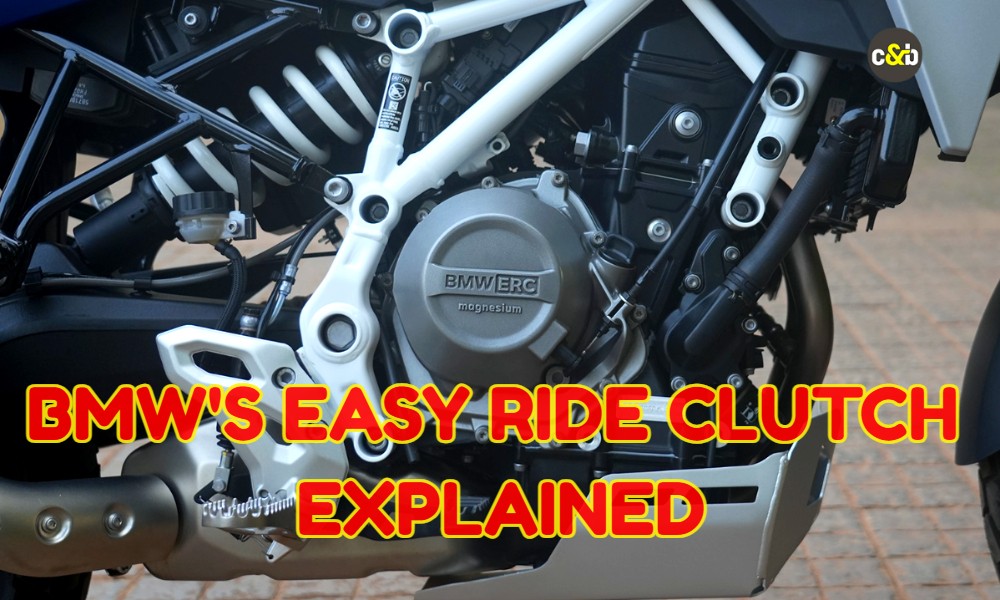
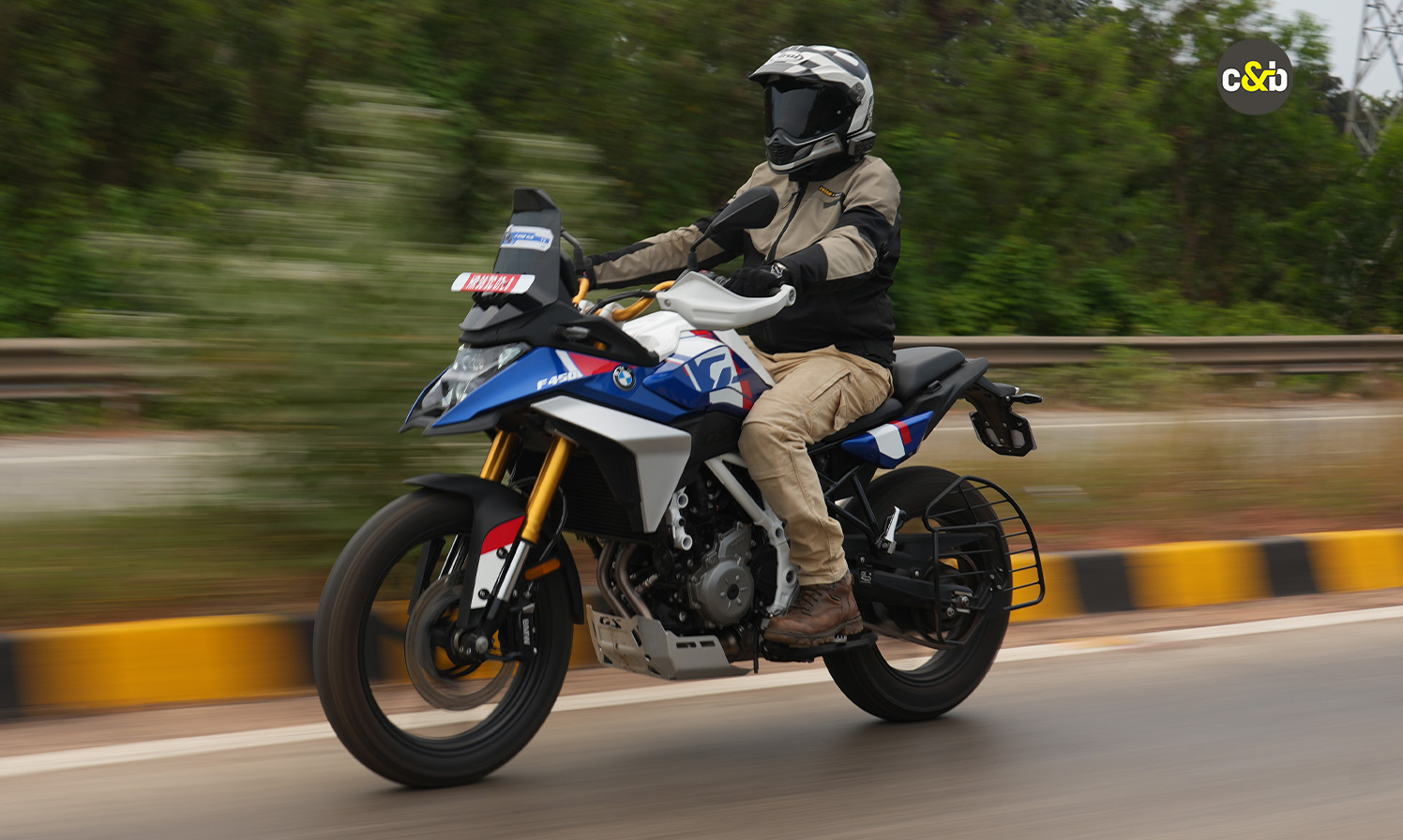
With the new introduction of the F 450 GS, BMW Motorrad has introduced a unique rider aid called the Easy Ride Clutch (ERC), designed to simplify clutch operation without going fully automatic. It sits somewhere between a traditional manual clutch and a fully automatic system, aiming to make riding easier in everyday scenarios without completely removing rider involvement. In the article we have meticulously explained the technology, its origin, working, applications, benefits/drawbacks, and more.
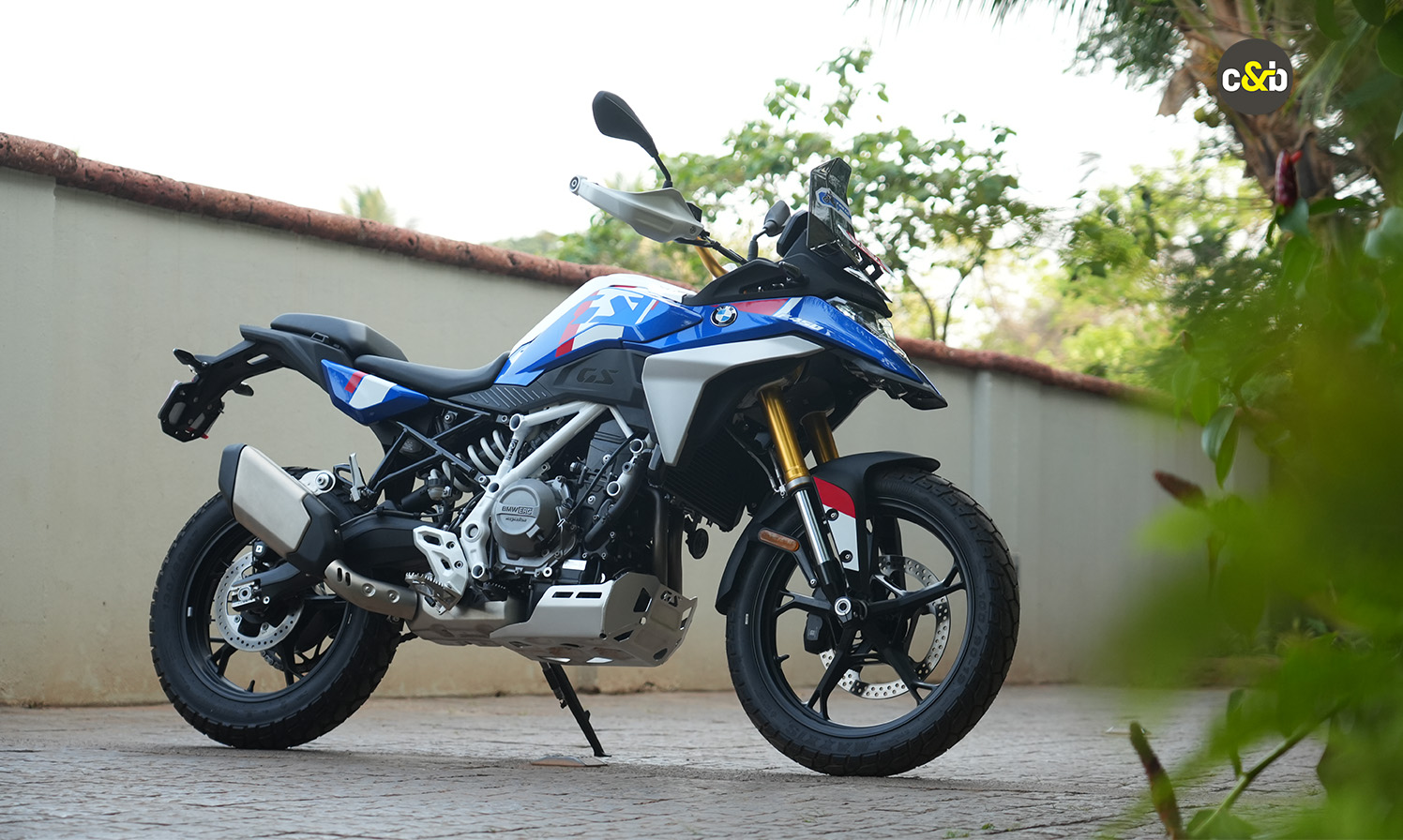
What is Easy Ride Clutch?
In simple terms, the Easy Ride Clutch is a semi-automatic system that almost eliminated the need for constant clutch lever input besides slotting the first gear on starting the bike. It is designed to automatically manage the clutch engagement and disengagement based on engine revs and throttle applied, allowing the motorcycle to ride like an automatic transmission in certain situations while still retaining the fundamentals of a manual transmission. It offers the familiarity of a manual gearbox with the convenience of reduced rider effort, especially at low speeds.
Where does ERC come from?
The concept of ERC is not entirely new. Based on centrifugal clutch technology, it has long been used in scooters, small-capacity commuter motorcycles, and even some off-road machines. BMW has taken this concept and adapted it for a larger, more premium motorcycle, integrating it with modern electronics and rider aids. The intention is to make a mid-capacity adventure motorcycle more approachable without compromising its versatility.
Also Read: BMW F 450 GS First Ride Review: Almost A Proper GS With Big Bike DNA
How does it work?
The Easy Ride Clutch combines a centrifugal mechanism with a conventional multi-plate wet clutch. The centrifugal unit responds to engine revolutions and progressively engages or disengages the clutch as revs go up or down. This unit is coupled to a standard multiplate clutch pack and retains a clutch lever for manual override. The system also takes signal inputs from the throttle position and engine speed, ensuring smooth and predictable engagement is achieved in different riding scenarios.
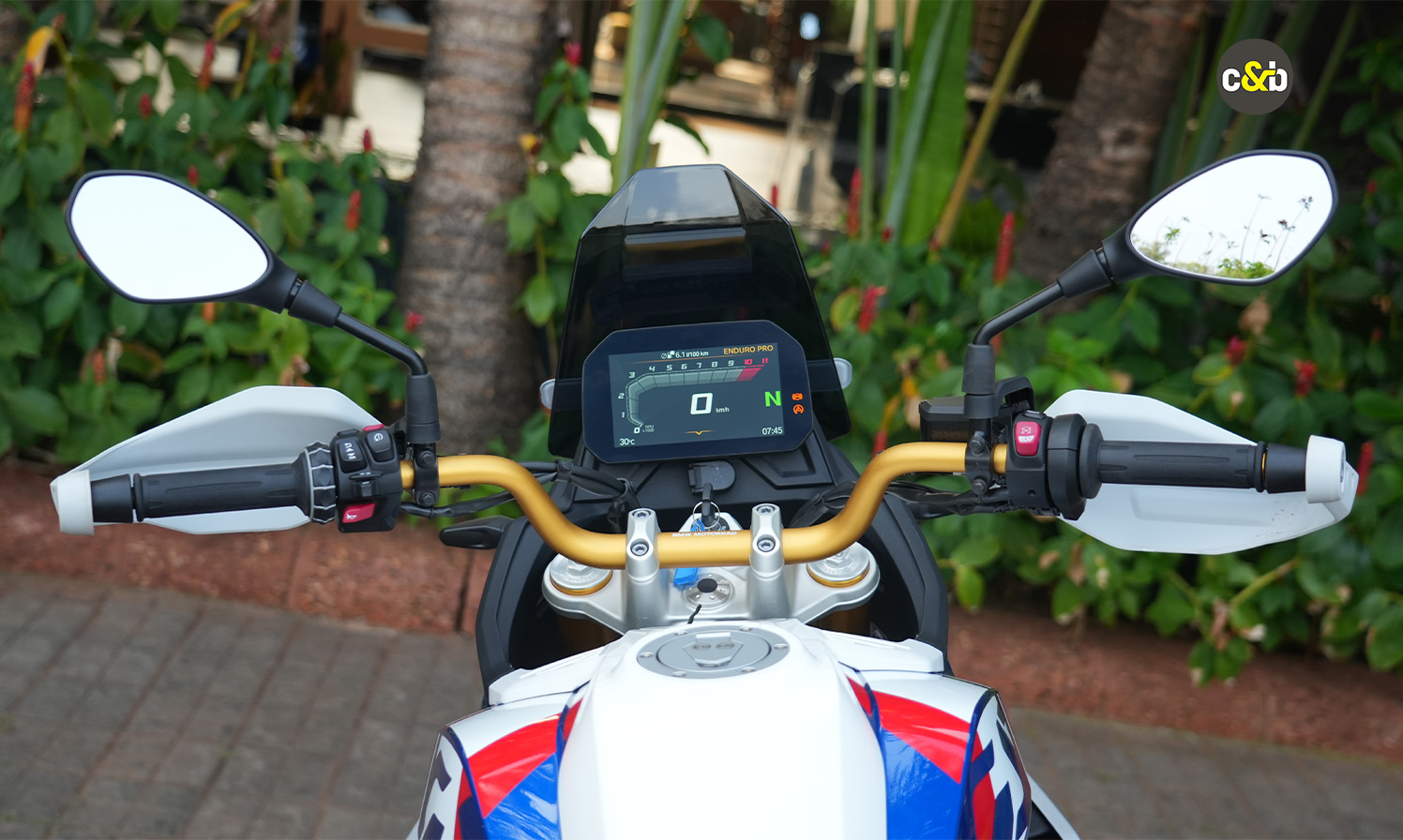
When the motorcycle is at a standstill or idling, the clutch automatically remains disengaged, which means the rider does not need to pull the clutch lever in to prevent stalling. As the rider opens the throttle, and once the engine revolutions reach 2,700 rpm, it activates the centrifugal mechanism, which then progressively engages the clutch and start transferring power to the final drive which in turn makes the bike move forward smoothly.
During low-speed riding, the system continuously adjusts clutch engagement, making crawling in traffic or navigating tricky terrain much easier. Under deceleration, the clutch remains engaged, allowing for engine braking, which preserves a natural riding feel. At any point, the rider can still use the clutch lever manually, especially in situations where more precise control is required.
What it feels like to ride?
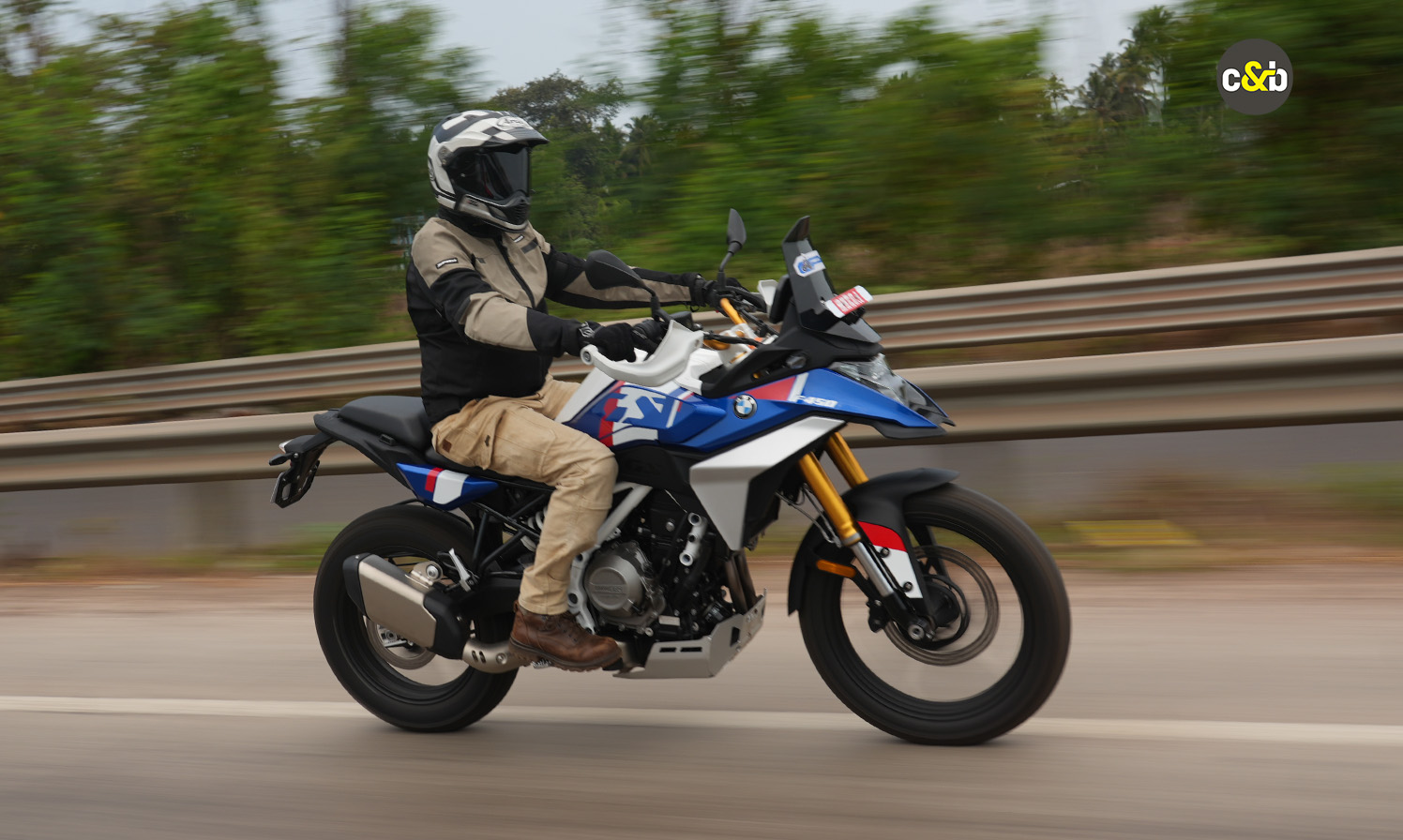
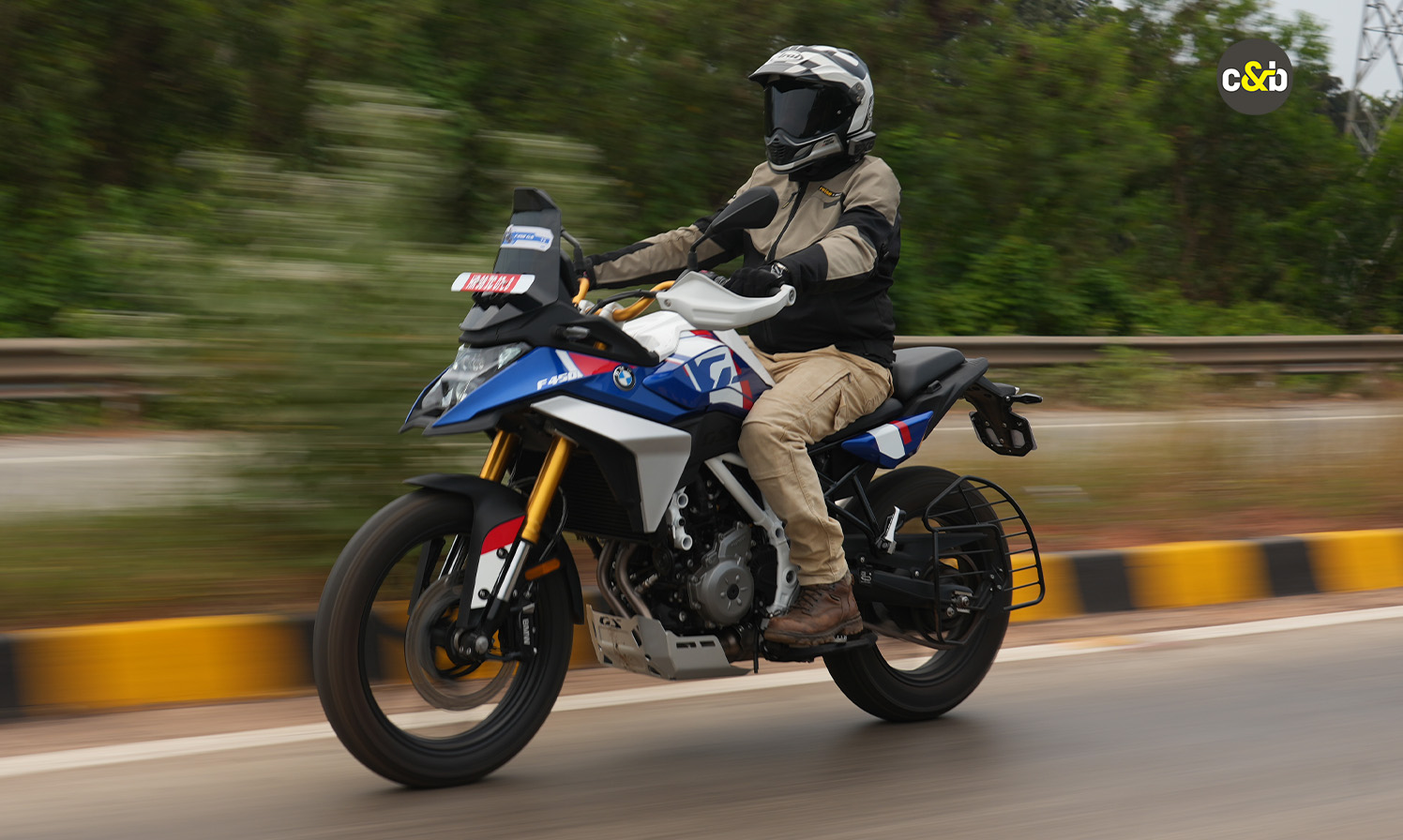
In everyday riding conditions, the ERC notably reduces the need for manual clutch operation. In traffic, it eliminates the constant need of clutch-in and clutch-out, making the experience far less tiring. At low speeds, the system provides smooth and predictable power delivery, reducing jerks and the possibility of stalling. The overall feel is that of a motorcycle that becomes easier to manage without losing its manual character entirely.
What are the benefits of ERC?
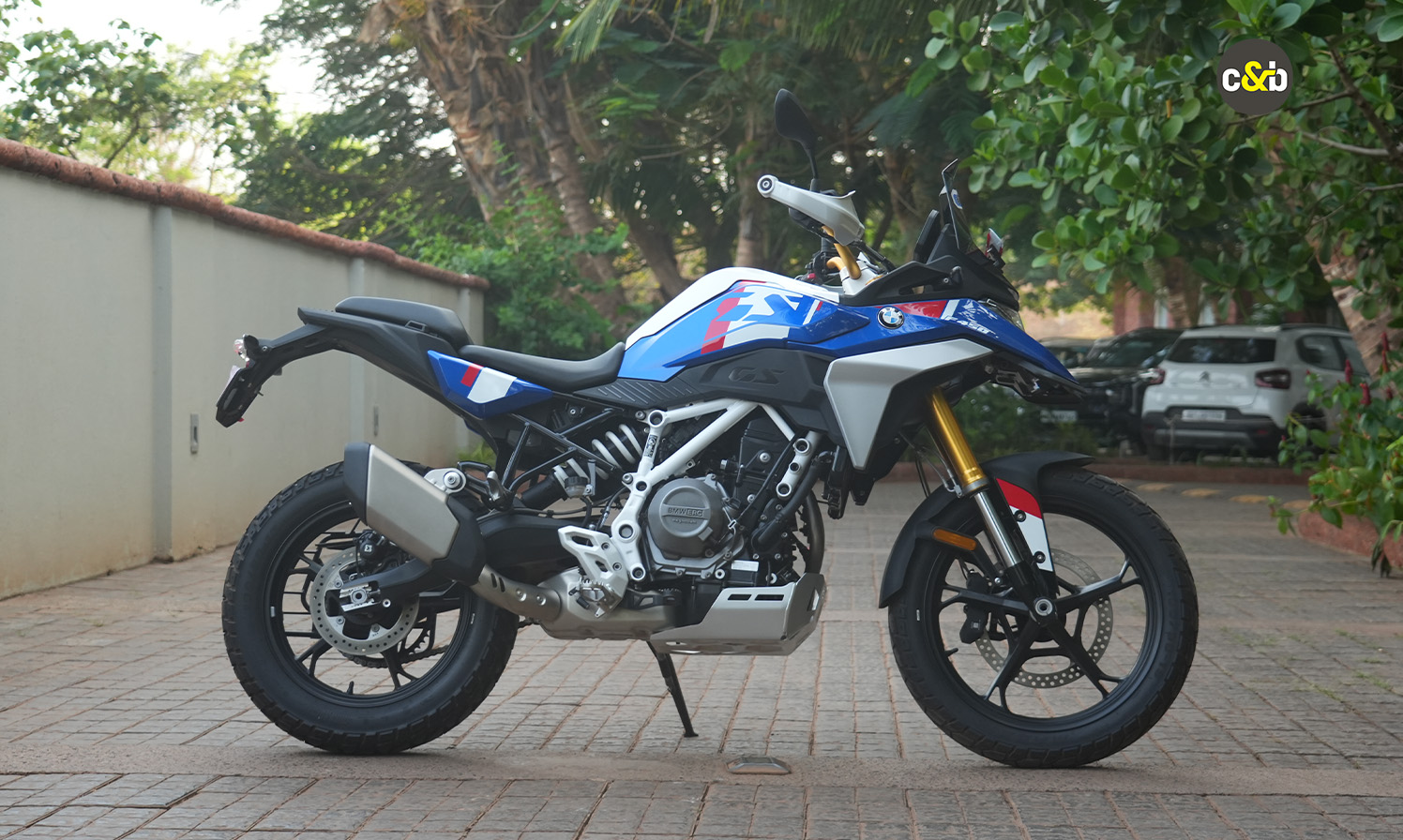
The Easy Ride Clutch is particularly useful in urban environments where stop-and-go traffic is common. According to BMW, it also aids in during off-road riding, especially during technical sections that require slow and steady throttle inputs, something like rocky trails or steep climbs. For touring, it reduces fatigue over long distances, particularly when navigating congested areas or rough terrain. Lastly, it is also beneficial for beginners, as it removes the fear of stalling and makes the learning curve less intimidating.
What are the drawbacks of ERC?
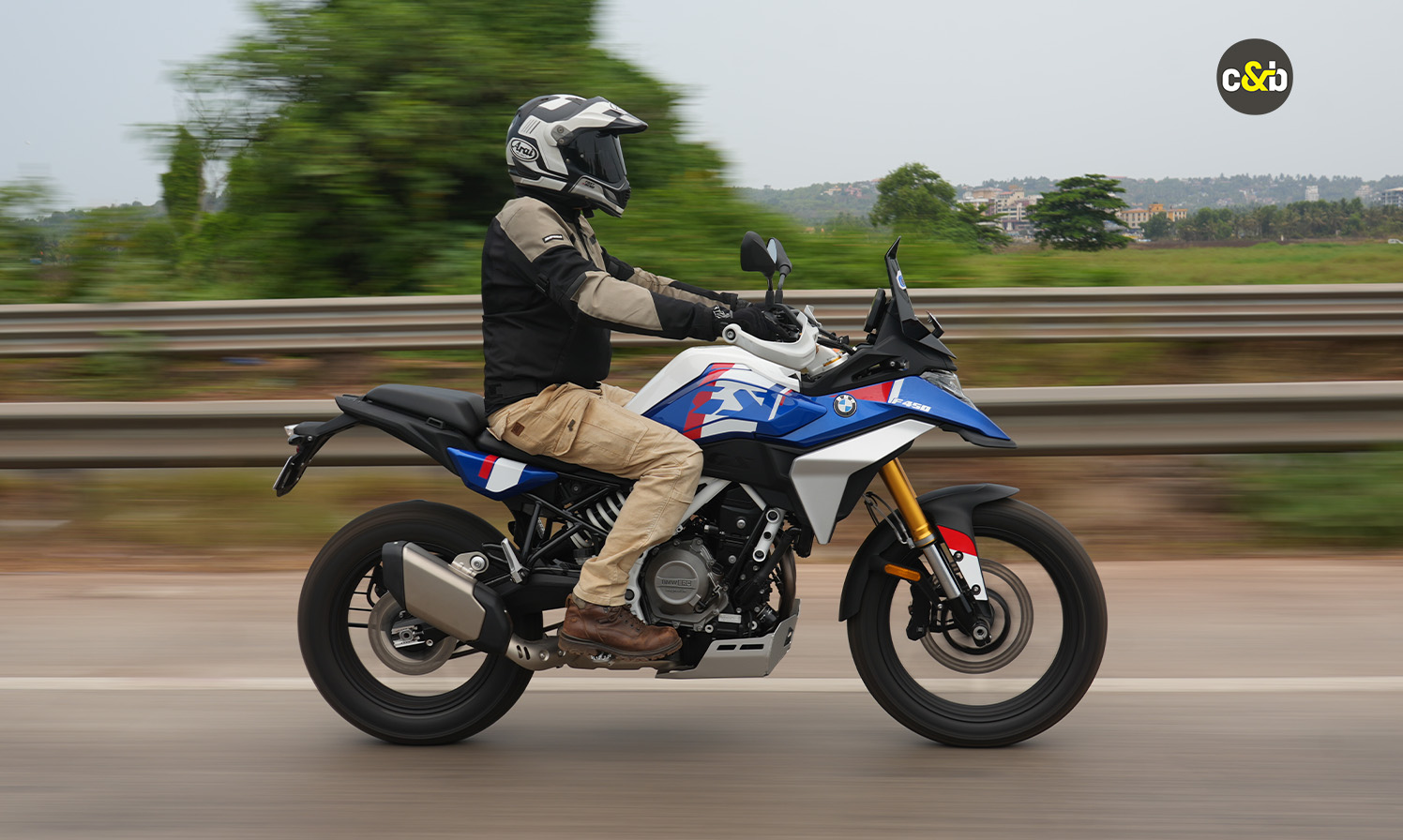
While does not have straight up drawback, the system may not appeal to everyone. Riders who prefer aggressive or sporty riding styles might find it less engaging, as it reduces the need for active clutch input. Techniques like feathering the clutch for quick acceleration or precise control does not feel as direct with ERC. Similarly, experienced riders who prefer full mechanical control may feel that the system slightly dulls the connection between rider and machine. Also, in a scenario when tackling a steep incline, if the motorcycle gets stuck on the slope, it will start to roll backwards as the clutch has disengaged due to low rpm. And the only way to keep the bike in position is with the use of the brakes, which again becomes non-effective in case the surface is slippery or has gravel.
Conclusion
BMW’s Easy Ride Clutch is a thoughtful innovation that focuses on improving usability rather than outright performance. On the F 450 GS, it is available only in the top-spec GS Trophy variant. And while it doesn’t replace the appeal of a fully manual setup, it offers a compelling alternative for riders looking for a more relaxed and user-friendly experience without giving up the essence of motorcycling.