NPCI partners with Worldline to bring UPI, RuPay to Europe: What this means for you
<img src="” title=”NPCI partners with Worldline to bring UPI, RuPay to Europe: What this means for you” />
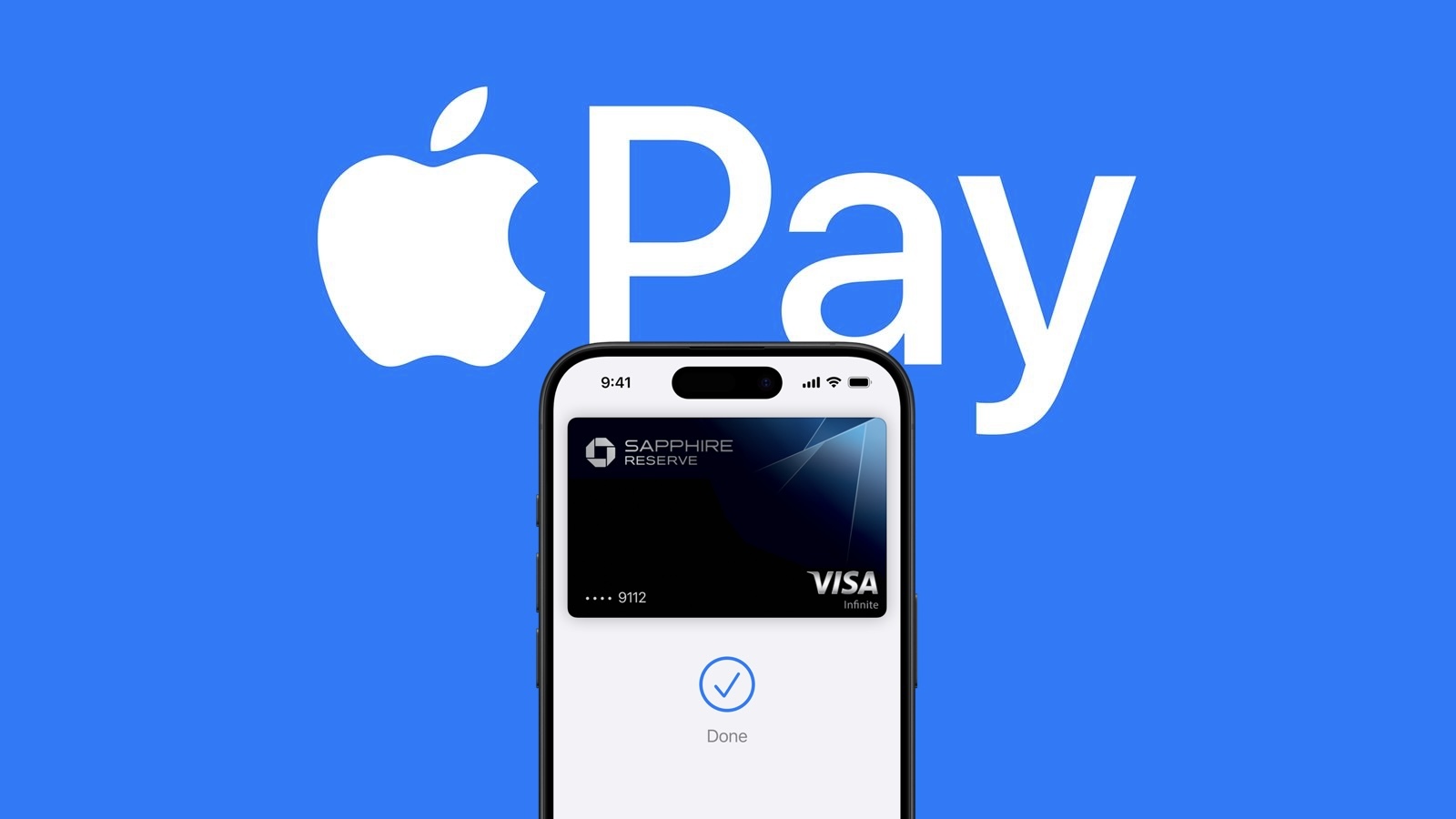
Up until now, Indians travelling to Europe had to use international card networks for making payments for their purchases. While this system enables them to make payments digitally, it is restrictive in the sense that users cannot use cards from multiple banks for making payments. But soon, Indian commuters will have a much easier way for paying for their purchases. National Payments Corporation of India’s (NPCI) international wing, that is, NPCI International Payments Limited (NICL), has partnered with European payment and transactional services provider, Worldline, for bringing UPI (United Payments Interface) to Europe.
As part of the partnership, Worldline will allow merchants’ point-of-sale (POS) systems to accept payments from UPI,
which is an instant real-time payment system, and RuPay, which is NPCI’s proprietary card payment network
solution. This will enable Indian travellers to pay for their purchases easily without relying on a particular card entirely. This, in turn, will result in a multitude of customer-related merchant benefits due to an increase in
footfall and spending from Indian tourists.
On Worldline’s end, the UPI transactions in Europe will be facilitated by the company’s universal product for the acceptance of all QR-based payments, that is, Worldline QR. The first target markets for NIPL are set to include BENELUX, which includes three European nations — Belgium, the Netherlands, and Luxembourg — and Switzerland. The service will be made available in more countries in Europe as Worldline QR is rolled out in more European countries.
“The roll out of acceptance of UPI-powered Apps and RuPay Cards across Europe is important to us, as we expect increased mobility of Indians in the continent in the coming years. We believe this partnership will empower Indian consumers to continue using their preferred payment modes as they travel across Europe,” NIPL CEO Ritesh Shukla said on the ocassion.
It is worth noting that Belgium, the Netherlands, Luxembourg and Switzerland are not the only countries wherein NPCI’s UPI service is available. Last year, Bhutan became the first country to adopt UPI within its borders. Earlier this year, Nepal, UAE and the UK adopted India’s digital payments service in a bid to make it easier for Indian commuters to make payments online.
The post NPCI partners with Worldline to bring UPI, RuPay to Europe: What this means for you appeared first on BGR India.
<img src="" title="NPCI partners with Worldline to bring UPI, RuPay to Europe: What this means for you" />
Up until now, Indians travelling to Europe had to use international card networks for making payments for their purchases. While this system enables them to make payments digitally, it is restrictive in the sense that users cannot use cards from multiple banks for making payments. But soon, Indian commuters will have a much easier way for paying for their purchases. National Payments Corporation of India’s (NPCI) international wing, that is, NPCI International Payments Limited (NICL), has partnered with European payment and transactional services provider, Worldline, for bringing UPI (United Payments Interface) to Europe.
As part of the partnership, Worldline will allow merchants’ point-of-sale (POS) systems to accept payments from UPI,
which is an instant real-time payment system, and RuPay, which is NPCI’s proprietary card payment network
solution. This will enable Indian travellers to pay for their purchases easily without relying on a particular card entirely. This, in turn, will result in a multitude of customer-related merchant benefits due to an increase in
footfall and spending from Indian tourists.
On Worldline’s end, the UPI transactions in Europe will be facilitated by the company’s universal product for the acceptance of all QR-based payments, that is, Worldline QR. The first target markets for NIPL are set to include BENELUX, which includes three European nations — Belgium, the Netherlands, and Luxembourg — and Switzerland. The service will be made available in more countries in Europe as Worldline QR is rolled out in more European countries.
“The roll out of acceptance of UPI-powered Apps and RuPay Cards across Europe is important to us, as we expect increased mobility of Indians in the continent in the coming years. We believe this partnership will empower Indian consumers to continue using their preferred payment modes as they travel across Europe,” NIPL CEO Ritesh Shukla said on the ocassion.
It is worth noting that Belgium, the Netherlands, Luxembourg and Switzerland are not the only countries wherein NPCI’s UPI service is available. Last year, Bhutan became the first country to adopt UPI within its borders. Earlier this year, Nepal, UAE and the UK adopted India’s digital payments service in a bid to make it easier for Indian commuters to make payments online.
The post NPCI partners with Worldline to bring UPI, RuPay to Europe: What this means for you appeared first on BGR India.
<img src="” title=”NPCI partners with Worldline to bring UPI, RuPay to Europe: What this means for you” />
Up until now, Indians travelling to Europe had to use international card networks for making payments for their purchases. While this system enables them to make payments digitally, it is restrictive in the sense that users cannot use cards from multiple banks for making payments. But soon, Indian commuters will have a much easier way for paying for their purchases. National Payments Corporation of India’s (NPCI) international wing, that is, NPCI International Payments Limited (NICL), has partnered with European payment and transactional services provider, Worldline, for bringing UPI (United Payments Interface) to Europe.
As part of the partnership, Worldline will allow merchants’ point-of-sale (POS) systems to accept payments from UPI,
which is an instant real-time payment system, and RuPay, which is NPCI’s proprietary card payment network
solution. This will enable Indian travellers to pay for their purchases easily without relying on a particular card entirely. This, in turn, will result in a multitude of customer-related merchant benefits due to an increase in
footfall and spending from Indian tourists.
On Worldline’s end, the UPI transactions in Europe will be facilitated by the company’s universal product for the acceptance of all QR-based payments, that is, Worldline QR. The first target markets for NIPL are set to include BENELUX, which includes three European nations — Belgium, the Netherlands, and Luxembourg — and Switzerland. The service will be made available in more countries in Europe as Worldline QR is rolled out in more European countries.
“The roll out of acceptance of UPI-powered Apps and RuPay Cards across Europe is important to us, as we expect increased mobility of Indians in the continent in the coming years. We believe this partnership will empower Indian consumers to continue using their preferred payment modes as they travel across Europe,” NIPL CEO Ritesh Shukla said on the ocassion.
It is worth noting that Belgium, the Netherlands, Luxembourg and Switzerland are not the only countries wherein NPCI’s UPI service is available. Last year, Bhutan became the first country to adopt UPI within its borders. Earlier this year, Nepal, UAE and the UK adopted India’s digital payments service in a bid to make it easier for Indian commuters to make payments online.
The post NPCI partners with Worldline to bring UPI, RuPay to Europe: What this means for you appeared first on BGR India.