AI Data Center Power Demand Complicates UN Climate Goals
AI data center power demand complicates climate goals as COP31 delegates weigh electrification, emissions cuts and the energy needs of growing
AI summary
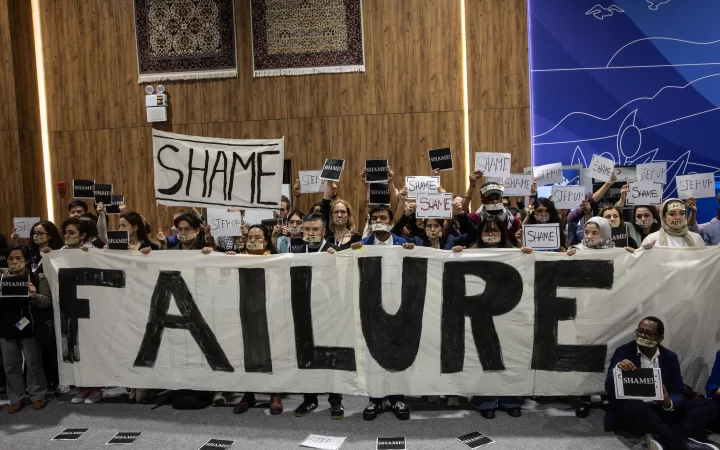
Delegates at COP31 faced a growing tension between expanding electricity use and cutting greenhouse gas emissions: data centers serving AI workloads need substantial power as economies pursue electrification. The climate conference ended chaotically and without a satisfying outcome, according to The Verge. The key issue to watch is how policymakers reconcile rising data-center demand with the emissions reductions sought under the Paris climate accord.
AI data center power demand is complicating the clean-energy transition that countries are working to advance through the UN climate process.
Key takeaways
- AI data center power demand is adding pressure to climate efforts that depend on cleaner electricity.
- COP31 ended in Antalya, Turkey, after delegates grappled with the energy needs of data centers alongside wider electrification.
- The underlying challenge is reducing greenhouse gas emissions while meeting rising electricity needs across the global economy.
What changed
At COP31, the United Nations climate conference in Antalya, Turkey, delegates had to confront a tension between two energy trends: the push to electrify the global economy and the growth of power-hungry data centers. The Verge reports that this issue formed part of discussions at a conference that closed chaotically and without a satisfying outcome.
Electrification is central to the clean-energy transition described in the source. At the same time, data centers supporting AI workloads add to electricity demand, making it harder to treat the transition as a simple switch from one kind of energy use to another.
The gathering takes place within the longer-running effort to meet the 2015 Paris climate accord commitment to address climate change. Delegates attend each year to advance that effort, but the source describes this conference’s close as unsatisfying rather than presenting a settled resolution to the data-center question.
Why it matters
Climate goals depend on slashing greenhouse gas emissions, while electrifying more of the economy means supplying power to more activities. When data centers add another source of electricity demand, the climate challenge includes not only expanding power supply but also ensuring that energy use does not undermine emissions reductions.
The stakes described in the source extend beyond the technology sector. It connects emissions cuts to limiting the worsening of extreme weather, reducing coastal flooding risks, and protecting food and water systems from drought. Those are broad climate concerns, not claims that data centers alone determine those outcomes.
Analysis: For people following AI infrastructure, the takeaway is that computing growth has an energy-policy dimension as well as a technology dimension. For climate watchers, the question is whether governments can accommodate rising demand while continuing to pursue cleaner energy and the Paris accord’s aims.
The source does not specify how much electricity data centers consume, identify particular operators, or describe a policy adopted at COP31 to address their demand. That limits what can be concluded about the scale of the issue or which proposals might resolve it.
Who is affected
Delegates working on climate policy are directly involved in the debate because they must weigh economy-wide electrification against the power needs of growing data-center infrastructure. The source portrays that tension as part of the challenge discussed at the UN conference, rather than as a dispute limited to technology companies.
People concerned about the effects of climate change also have a stake in the outcome. The article links emissions reductions to risks involving extreme weather, coastal communities, drought, and food and water systems, although it does not identify specific communities or quantify local effects.
Technology companies and people who rely on AI services are part of the broader picture because data centers support AI workloads. However, the source does not name companies, services, or changes to consumer access, so it does not establish a direct effect on any particular product or user.
What to watch next
The central issue to watch is how climate discussions account for data-center electricity demand alongside the broader goal of electrifying the economy. The source reports that delegates grappled with the tension, but it does not describe a specific COP31 agreement or next-step policy focused on data centers.
Future developments would matter most if they clarify how governments intend to cut emissions while meeting growing power needs. For now, the conference’s chaotic close leaves the question open in the account provided by The Verge; the source does not say whether delegates reached consensus on a solution.
Readers should also distinguish the wider climate commitment from the specific infrastructure concern. The Paris accord provides the background for the emissions effort, while data-center demand is one pressure the conference had to consider within that larger task.
Frequently asked questions
Why did AI data centers come up at COP31?
Data centers supporting AI workloads require power, while climate efforts depend on cutting greenhouse gas emissions and expanding electrification. Delegates had to consider how those needs fit together.
Did COP31 reach a deal on data-center electricity use?
The source does not report a specific agreement addressing data-center power demand. It describes the conference as ending chaotically and without a satisfying outcome.
Why does electricity demand matter to climate goals?
The clean-energy transition described in the source includes electrifying the global economy while reducing greenhouse gas emissions. Rising demand from data centers adds another challenge to that effort.
TechnoRapper’s editorial desk used The Verge’s report as the source for the conference context and the tension between electrification, data-center power demand, and emissions goals.
Related on TechnoRapper
- AptDeco Payout Delays Leave Furniture Sellers Waiting After Pickup
- Krypto Season 2C: Krypto Saves the Day Season 2C Sets HBO Max Return After DC
- Earth-10005 X-Men: Avengers: Doomsday Ties Its Returning X-Men to Deadpool’s
- Google AI chat sidebar: Google Adds a Sidebar for Finding Past AI Mode Chats
- ChatGPT Live Dictation Shows Your Words Before You Finish Speaking
Inspired by: The Verge AI
How we used the source: facts, quotes, and numbers in this article come only from that Inspired by link. We added structure, search intent, and reader context. We did not independently verify the reporting.
Permanent link · https://technorapper.com/2026/11/ai-data-center-power/