U.S. data center power: U.S. Hyperscale Data Center Power Use Gets a New
A study estimates U.S. data center power use at 2% for May 2024 to April 2025, while noting it cannot separate AI from traditional workloads.
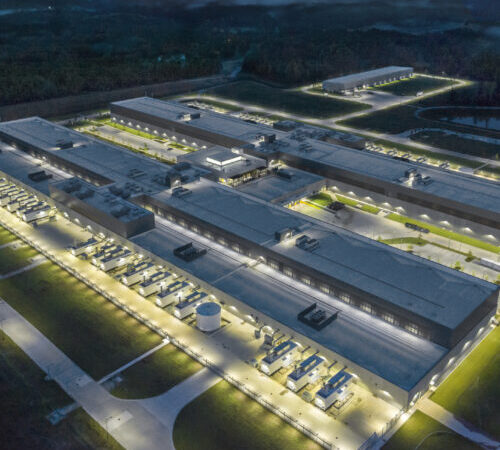
U.S. data center power — A new study estimates that U.S. hyperscale data centers used about 2% of the country’s electricity during a one-year period, offering a baseline for tracking the sector’s growing power
Key takeaways
- U.S. data center power: The study estimates hyperscale facilities used about 2% of U.S. electricity from May 2024 through April 2025.
- Researchers verified 403 large facilities after reviewing an initial list of 675 potential sites.
- The study could not separate electricity used for AI computing from power consumed by traditional data services.
What changed
A new estimate puts U.S. hyperscale data center electricity use at about 2% of the nation’s total for the period from May 2024 to April 2025. That figure gives technology companies, policymakers and electricity customers a reference point for understanding the power footprint of large-scale computing.
The study examined facilities operated by hyperscalers in the United States and also estimated their emissions. As Ars Technica reports, the researchers could not distinguish AI workloads from conventional data services, so the result covers the facilities’ overall activity rather than isolating the energy demand of AI.
To build its dataset, the team began with 675 facilities identified through a commercial database drawing on news coverage, company statements and satellite imagery. Researchers excluded locations without reported electrical capacity or with insufficient evidence that a site met their criteria for a large data center, including expected cooling and electrical equipment.
That screening left 403 verified facilities. Their average electrical capacity was about 40 megawatts, according to the source’s account of the study.
Why it matters: U.S. data center power
The estimate helps put the expansion of large-scale computing in context: these facilities already account for a measurable share of U.S. electricity use. That matters to technology readers because the infrastructure behind cloud services and AI depends not only on computing equipment, but also on a reliable supply of electricity.
The study’s limits are important, too. Because it does not separate AI computing from traditional data services, readers cannot use this figure to determine how much of the electricity total comes specifically from generative AI or other newer workloads.
Ars Technica describes the rapid construction push as outpacing efforts to plan for clean electricity supply and to limit effects on ratepayers. The 2% estimate does not itself establish how electricity costs or emissions will change, but a credible baseline can help future comparisons show whether the footprint is rising and what further evidence is needed.
Who is affected
Technology companies that build or operate hyperscale facilities are directly implicated because the study counts their U.S. sites and estimates their energy use. The findings also matter to electricity providers and planners, who need information about large loads when considering how to supply power.
Electricity customers are part of the wider stake. The source identifies concern about impacts on ratepayers, but it does not quantify any bill changes or assign costs to particular customers, regions or companies.
AI developers and users should read the results with the same distinction in mind: data centers support a range of services, and the researchers could not attribute facility energy use to AI alone. The study therefore describes the broader infrastructure footprint rather than measuring the electricity cost of an individual AI product.
What to watch next
Future estimates can be compared with this study’s May 2024–April 2025 period to test whether hyperscale electricity use is changing. A useful comparison will need consistent facility criteria and enough detail to explain what changed in the underlying dataset.
Readers should also watch for better disclosure about facility capacity, actual electricity consumption and emissions. The source says it has been difficult to collect information on what is being built, while the research team had to verify locations and exclude sites with missing or unconfirmed details.
Finally, a clearer split between AI workloads and traditional data services would help answer a question this study leaves open: how much of the sector’s power demand is associated with AI computing? Until that distinction is available, the overall facility estimate is informative, but it cannot settle that narrower question.
Frequently asked questions
How much U.S. electricity did hyperscale data centers use?
The study estimates that hyperscalers’ U.S. data centers used about 2% of the country’s electricity from May 2024 through April 2025. The figure covers the facilities’ combined activity.
How many data centers did the researchers include?
The researchers verified 403 facilities from an initial list of 675. They removed sites without reported electrical capacity or enough evidence to confirm they were suitably large data centers.
Does the estimate show how much electricity AI uses?
No. The researchers could not separate AI computing from traditional data services at the facilities. The reported estimate therefore applies to overall hyperscale data center activity, not AI alone.
TechnoRapper’s editorial desk used Ars Technica’s report as the source for the study’s scope, facility count and stated limitations; the source does not provide a workload-level breakdown.
Related on TechnoRapper
- Foundation Future Industries payroll: Foundation Future Industries’ Robot
- GTA VI Leak Case: Arion Kurtaj Pleads Guilty in UK
- Spider-Man re-release: Spider-Man: Brand New Day Adds a Claire Temple Scene to
- Intel shareholder lawsuit: Intel Faces Shareholder Suit Over PC Slump
- United Airlines IT Outage Interrupts Departures After Recent Ground Stop
Inspired by: Ars Technica
How we used the source: facts, quotes, and numbers in this article come only from that Inspired by link. We added structure, search intent, and reader context. We did not independently verify the reporting.
Permanent link · https://technorapper.com/2026/11/us-data-center-power/