drone delivery PTSD: Amazon’s Drone Delivery Expansion Raises a PTSD Concern
Amazon plans to expand Prime Air, but drone delivery PTSD is a concern for people affected by aircraft linked to conflict and widely shared attack footage.
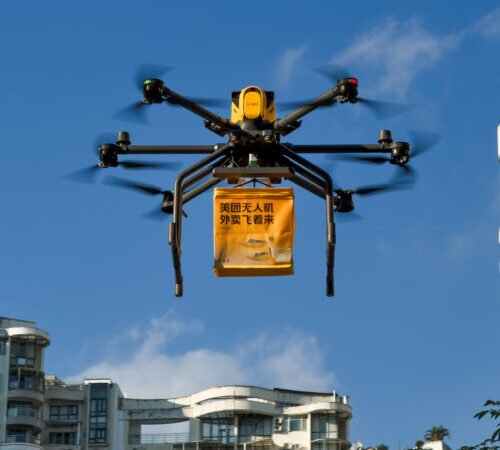
drone delivery PTSD — Amazon’s planned Prime Air expansion could make drone deliveries more common, but the growing presence of unmanned aircraft may distress people whose PTSD or anxiety is triggered by drones.
Key takeaways
- Drone delivery PTSD is a concern for people whose trauma or anxiety is triggered by unmanned aircraft.
- Amazon plans to expand Prime Air to nearly 500 cities and towns by the end of 2026.
- The source connects drone-related anxiety to conflict, attack footage, and the prospect of more aircraft in everyday settings.
- Drone delivery expansion could put more aircraft in everyday settings, a concern for people with drone-triggered PTSD or anxiety.
- Amazon plans to extend Prime Air to nearly 500 cities and towns by the end of 2026.
- Weaponized drones in conflicts, along with widely shared attack footage, have contributed to what some mental health professionals call “dronophobia.”
What changed: drone delivery growth
Amazon’s Prime Air plans point toward a broader role for drone deliveries in daily life. In August, the company said it intended to expand the program to nearly 500 cities and towns by the end of 2026, while DoorDash and Zipline are also pursuing uncrewed aerial delivery programs in partnership with Uber and Walmart.
That expansion could mean that people encounter delivery aircraft not just as a distant technology demonstration but in familiar residential settings. The Ars Technica report describes a future in which drones deliver packages to suburban lawns, though it does not establish how frequently people in any particular area will see them.
Commercial services still face regulatory requirements. According to the source, the instant-delivery industry is working through remaining Federal Aviation Administration hurdles for rapid flights beyond an operator’s line of sight; it does not say those hurdles have all been cleared.
Why it matters
For many customers, a delivery drone may be a convenience or a passing curiosity. For some people living with post-traumatic stress disorder or anxiety-related conditions, however, the sound or sight of an unmanned aircraft can evoke fear connected to real-world attacks.
The source connects that concern to the use of weaponized drones in the ongoing war in Ukraine and in Israeli attacks on Lebanon and Gaza. It says mental health professionals have used the term “dronophobia” for anxiety associated with drones, while noting that people can be affected even without having personally experienced an attack.
That distinction matters: exposure to footage of attacks in news and social media may also contribute to anxiety. The report does not quantify how many people experience this response or predict how delivery drones will affect them, so the scale of the issue remains uncertain.
Who is affected
People with PTSD or other anxiety-related disorders triggered by drones are the group most directly affected by the concern described in the report. Their reactions may relate to past exposure to conflict, but the source also describes anxiety among people who have not themselves been targeted.
US troops are another group mentioned. The source says relatively few have been targeted by drones flown by Iran, ISIS, and Iran-backed militias across the Middle East, while also noting that viewing widely circulated attack footage can cause anxiety even without a direct attack.
Delivery companies and the communities where they operate are part of the wider picture because commercial flights could make drones more visible in everyday spaces. The source does not identify particular neighborhoods, policies, or accommodations, so it cannot establish what local responses may be needed.
What to watch next
First, watch whether Amazon’s stated expansion reaches its planned scope and how the FAA’s remaining beyond-visual-line-of-sight requirements shape commercial operations. The report identifies the regulatory process as a hurdle, not as a completed approval or a guarantee that a particular schedule will hold.
Also watch how delivery services and communities address the experience of residents who find drones distressing. The source raises that question but does not report on specific support measures or company policies, leaving those responses unresolved.
Finally, pay attention to how public discussion separates the practical role of delivery aircraft from the painful associations some people may have with military drones. The two uses are different, but the report’s central concern is that people may still respond to the presence of an aircraft in the sky through the lens of trauma.
Frequently asked questions
How many places does Amazon plan to serve with Prime Air?
Amazon said in August that it planned to expand Prime Air to nearly 500 cities and towns by the end of 2026. That is a stated plan, not confirmation in the source that the expansion has been completed.
Why can delivery drones distress some people with PTSD?
The report says some people experience PTSD or anxiety-related disorders triggered by drones. For some, the source explains, anxiety can also arise from seeing footage of attacks, even if they were not personally targeted.
Are drone delivery flights beyond an operator’s line of sight already cleared?
The source says instant-delivery companies are still working through FAA hurdles related to rapid flights beyond an operator’s line of sight. It does not report that the requirements have been fully cleared.
Related on TechnoRapper
- Uber Zoox robotaxis: Uber Adds Zoox Robotaxis to Las Vegas Ride Requests
- Intel stockholder lawsuit: Intel Stockholders Challenge the Company Over Its
- Apple Health AI study: Apple’s Health AI Study Puts Answer Quality to the Test
- Hydra Captain America: Captain America #17 Reveals Who Is Protecting Vic—and
- Hellions tragedy: X-Men United Rewrites the Hellions’ Tragedy Around Emma
Inspired by: Ars Technica
How we used the source: facts, quotes, and numbers in this article come only from that Inspired by link. We added structure, search intent, and reader context. We did not independently verify the reporting.
Permanent link · https://technorapper.com/2026/11/drone-delivery-ptsd/