Nvidia China Spy Allegation: What Huang’s Admission Does—and Doesn’t—Show
The Nvidia China spy allegation follows Jensen Huang’s affair admission. Here is what the report confirms, what remains unproven, and what readers
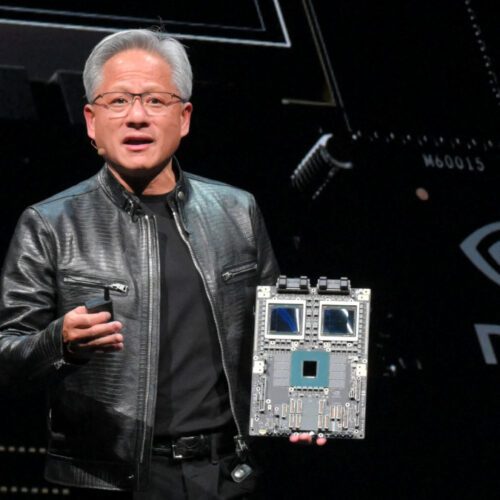
The Nvidia China spy allegation has gained a new dimension after CEO Jensen Huang admitted to an affair, but the supplied report does not establish that he knew of or participated in espionage. Ars Technica reports that the admission followed a Financial Times account of an alleged relationship involving a woman whom US intelligence officials believe was working for China.
- The Nvidia China spy allegation remains an allegation; Huang’s admission concerns an affair, not espionage.
- The Financial Times reported an alleged relationship with a woman US intelligence officials believe was working for China.
- Nvidia’s response and any further details about the investigation are not included in the supplied report.
What changed
Jensen Huang, Nvidia’s chief executive, acknowledged having an affair in an internal message to employees, according to Ars Technica’s report. The message appeared two days after the Financial Times reported an alleged romantic relationship between Huang and a woman US intelligence officials believe was working as a spy for China.
Huang’s message, as quoted by the Financial Times, apologized to his family and employees. He said he had been unfaithful to his wife, that his actions had hurt her and their children, and that he was sorry.
Those details establish what Huang admitted and what the reports allege, but they do not establish that the relationship involved espionage or that Huang knew of any alleged intelligence work. The source provided here contains no further account of the alleged spying, no response from Nvidia, and no details about an investigation’s findings.
Why it matters
The Nvidia China spy allegation matters because it links a personal disclosure by the head of a major technology company to a reported national-security concern. That connection makes careful distinctions important: an affair is an admitted personal matter, while the claim about espionage comes from reporting that attributes the belief to US intelligence officials.
For readers following AI hardware and the companies that make it, the central question is not whether Huang admitted an affair—he did—but what, if anything, the alleged relationship means for security. The supplied account does not answer that question, so it would be premature to treat the personal admission as proof of wrongdoing involving Nvidia or its technology.
The distinction also matters for how the story develops. Claims about intelligence activity can carry serious implications, but the source gives no evidence beyond the reported belief and no confirmed account of what investigators have established. Readers should keep those limits in view as additional reporting emerges.
Who is affected
Huang’s family and Nvidia employees are directly named in the account: he apologized to his family and addressed employees in an internal message. The source does not describe how the company, its staff, or its business operations have responded beyond the existence of that message.
Nvidia and people following its role in AI hardware are also affected by the public scrutiny created by the allegations. However, the supplied report does not say that any product, customer, or company operation has been compromised or changed.
For the broader public, the story is a reminder to separate reported allegations from confirmed facts. The report attributes the belief about the woman to US intelligence officials, but it does not identify her or provide details that independently establish the claim.
What to watch next
Watch for reporting that clarifies the basis and status of the alleged espionage concern, as well as any official or company statements. The supplied source does not say whether Nvidia has opened or concluded a probe, despite the wording of the source URL, so readers should not assume the scope or outcome of an investigation.
It is also worth watching whether subsequent accounts provide evidence connecting the alleged relationship to company information or activity. At present, the source makes no such connection, and Huang’s admission addresses infidelity rather than espionage.
TechnoRapper’s editorial desk used the Ars Technica text as the sole reporting source for this article and has not treated its headline or URL wording as independent confirmation of an investigation. For related context, readers can review our coverage of the Nvidia China spy allegation and reporting on national-security funding debates.
Frequently asked questions
What did Jensen Huang admit?
He admitted having an affair in an internal message to Nvidia employees, as reported by Ars Technica. The message included an apology to his family and employees.
What is the Nvidia China spy allegation?
The Financial Times reported an alleged romantic relationship between Huang and a woman whom US intelligence officials believe was working as a spy for China. The supplied report does not provide evidence establishing espionage or say that Huang knew of any alleged intelligence activity.
Does the report say Nvidia was compromised?
No. The supplied text does not say that Nvidia’s systems, products, or information were compromised. It also does not provide findings or details about an investigation.
Source: Ars Technica
How we used the source: facts, quotes, and numbers below come only from that link. We added structure, search intent, and reader context. We did not independently verify the reporting.
Permanent link · https://technorapper.com/2026/11/nvidia-china-spy-allegation-2/