Front USB Ports: How to Check Your Desktop’s Connection Speed
Front USB ports can lag behind rear desktop connections. Compare ports with the same device to check whether the connection affects its performance.
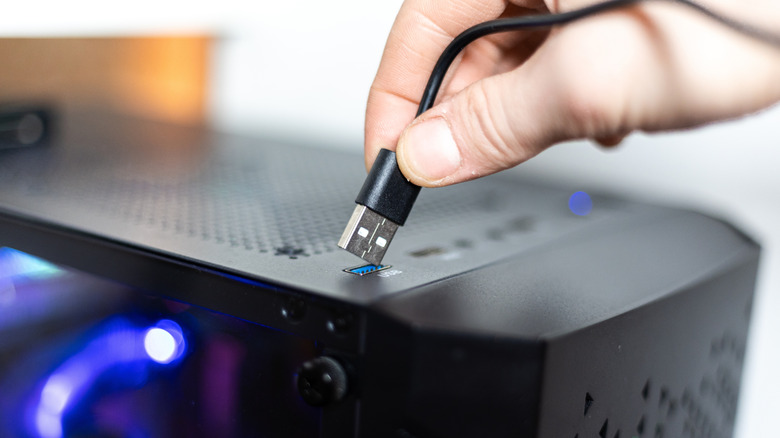
Front USB ports can be slower than the rear ports on the same desktop, so check the connection before blaming a device or cable for sluggish transfers. The difference comes down to how the computer’s ports are connected and what hardware they support.
Key takeaways
- Front USB ports can be slower than rear ports on the same desktop.
- Testing one device in both locations can help identify whether the port affects performance.
- Port performance depends on the individual computer; the source does not specify models or standards.
- Front USB ports can be slower than rear USB ports on the same desktop.
- A device’s connection speed can depend on which port you use, not just on the device itself.
- When a USB device feels slow, compare the front and rear ports before drawing conclusions.
What changed
The practical reminder for desktop owners is simple: a port’s location can matter. Front USB ports are easy to reach, but they may not match the performance of ports at the back of the computer.
That does not mean every desktop has slow front ports, or that every rear port is faster. The source describes a common possibility, not a specification for every computer, so users should treat the actual machine and its ports as the deciding factors.
For the clearest comparison, connect the same device to a front port and then to a rear one. Keep the device and task unchanged; otherwise, the comparison may reflect something other than the port.
Why it matters
USB devices often serve as everyday extensions of a desktop: people plug in accessories and storage without needing to reach around the case. When a transfer or connection seems disappointing, it is tempting to assume that the device has a limitation or that something is wrong with it.
However, the port itself may be part of the explanation. Checking another port is a low-effort troubleshooting step that can help separate a device issue from a difference in the computer’s connections.
This is especially useful when a desktop offers ports in more than one location. Convenience and performance are not necessarily the same thing: the front connection may be easier to reach, while another port may be the better choice for a task where speed matters.
The comparison also helps set expectations. A slower result from one port does not, by itself, prove that a device is defective or that the computer is malfunctioning; it shows why users should test before deciding what to replace or troubleshoot.
Who is affected
This matters most to people who use desktop computers and regularly connect USB devices at the front of the case. Anyone who sees slower-than-expected behavior can try a rear connection as a basic check.
It may also help people choosing where to plug in a device they use often. If reaching the rear ports is inconvenient, the front ports can still be useful; the key is to compare them when performance seems important or unexpectedly poor.
Buyers should avoid turning this general warning into a blanket rule about all desktops. The source does not identify particular computer models, USB standards, or devices, so it cannot establish which specific ports will be faster on a given machine.
What to watch next
Start by checking the computer’s own port labels or documentation, if available, and note whether the front and rear connections are identified differently. Then compare the same device in both locations under similar conditions.
Watch for whether the difference repeats. A single slow transfer may not tell the whole story, but a consistent change between ports is a useful clue that the connection, rather than the device alone, affects the result.
Also keep the question specific: are you trying to improve a particular task, or simply finding the most convenient place to connect a device? The answer determines whether a rear port is worth the extra reach. The supplied source does not give technical specifications or explain the design of any particular desktop, so model-specific guidance remains uncertain.
For readers following the broader PC hardware landscape, our coverage of AI data center spending looks at a very different kind of computing infrastructure. The comparison is useful mainly as a reminder that hardware performance questions depend on the specific component and use case—not on one general label.
Frequently asked questions
Are front USB ports always slower than rear USB ports?
No. The source says front ports often cannot compete with rear ports, but it does not claim that every desktop follows the same pattern. Check the ports on your own computer.
What should I do if a USB device seems slow on my desktop?
Try the same device in a rear port and compare the result with the front connection. If the behavior changes consistently, the port may be contributing to the difference.
Does a slow front port mean my USB device is broken?
Not necessarily. A difference between ports can affect how the device performs, so test another connection before concluding that the device has a fault.
Source note: This article uses Engadget’s supplied report as its sole reporting source and presents its point as a general caution, not a claim about every desktop.
Related on TechnoRapper
- AI data center spending
- Amazon Uber Eats Partnership: What Prime Takeout Covers
- AMG electric performance: How Mercedes-AMG’s Three-Motor EV Tackles the
Source: Engadget
How we used the source: facts, quotes, and numbers below come only from that link. We added structure, search intent, and reader context. We did not independently verify the reporting.
Permanent link · https://technorapper.com/2026/11/front-usb-ports/